Menu

WELCOME TO INCREDIBLE HIMALAYAS

Explore Himalayas Wildlife

Himalayan Wildlife– Nature in Its Purest Form

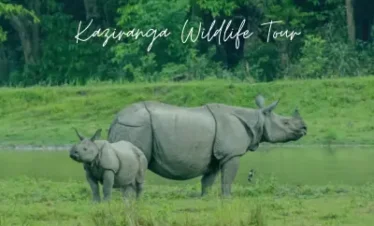
Major Wildlife Sanctuaries: Jim Corbett National Park, Namdhapa National Park, Kaziranga National Park
Major Wildlife Regions: Himachal Pradesh, Uttranchal, Sikkim, Dajeeling
Flora: Chir (Pine), Oak, Deodar, Fir, Rhododendron, Birch, and Juniper
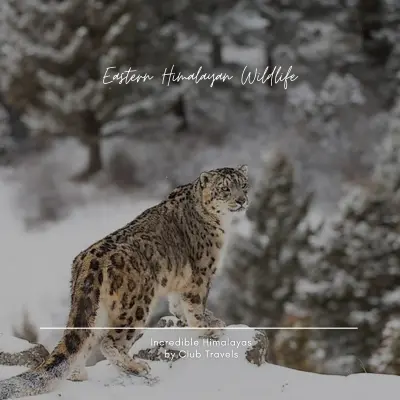
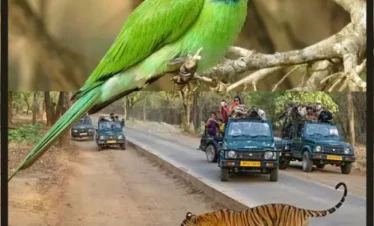
Fauna: Tigers, Elephants, Wild Boar, Crocodiles, Snow Leopard, Blue Sheep, and Mask Deer.
Visiting Season: November to June

It is the longest and the highest mountain range that gives home to many endangered species some of which include Snow Leopard, Giant Panda, Red Panda, Himalayan Wild Yak, Himalayan Thar, Musk Dear, Himalayan Marmot, etc. One The Himalayan region displays great variety in flora and fauna. It is also where rare medicinal herbs are said to grow. In the Terai – the Himalayan foothills, there are luxuriant tropical forests of Sal, Teak And Shisham. As one climbs, one encounters a variety of Chir (Pine), Oak, Deodar, Fir, Rhododendron, Birch And Juniper. At higher altitudes the Juniper becomes a bush.

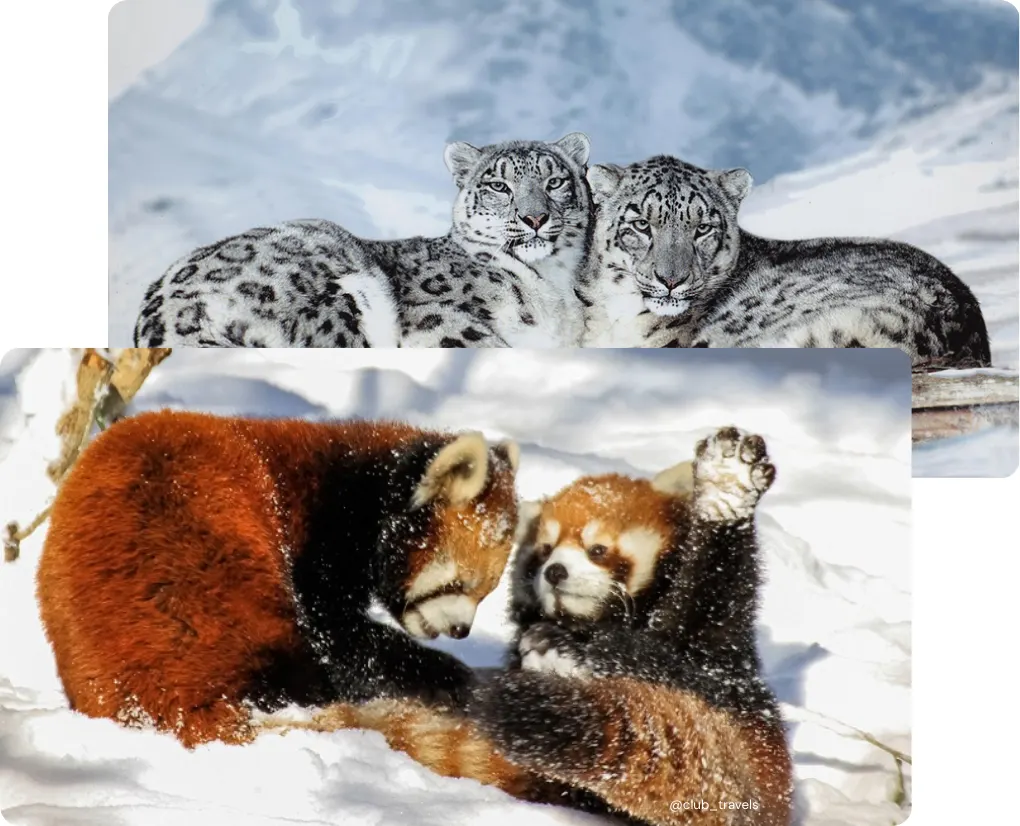
himalayan wildlife
vector background

Wildlife of Himalayas

Insects of Himalayas

The forests of the Himalayan foothills are an ideal home for insects, including bumblebees and crane flies. Higher up the slopes, where the nights are colder, many insect species have dark bodies to absorb as much heat as possible. Many butterflies live at surprisingly high altitudes: Apollo's, blues, vanessas, and papilios are common up to 14,000 feet. Even higher than this are other tiny insects. No one is sure how they survive at such altitudes; they likely feed on pollen, seeds, and other organic debris swept upward by drafts.

Himalayan Vegetation

Four different types of vegetation live in the Himalayas: tropical, subtropical, temperate, and alpine. The foothills of the Outer Himalayas are blanketed in dense tropical rain forests of bamboo, oak, and chestnut. Further west, as the altitude increases, the forest thins, and evergreen, cedars, pines, and firs become the dominant species. In the alpine zone, which begins at about 12.000 feet, grows great amounts of moist vegetation, including juniper and rhododendron. The domestic yak supplies rural nomads in Tibet with meat and hides. Its also serves as a pack animal. The male monal or Impeyon pheasant, has iridescent, multicolored plumage that he displays when courting his mate. This national bird of Nepal is widely hunted for sport. It is difficult to imagine today that these Himalayan slopes were densely wooded less than a century ago. While Himalayan forests are not as lush as the rain-fed South Indian forests, they do attain an impressive magnificence in the unspoilt upper regions.

Origin of Indian Himalayas

The Himalayas were created about 70 million years ago when two continental plates collided, pushing up the massive mountain range where they met. In this way India and Eurasia were joined together, which accounts for the wide variety of wildlife found here. Species from Asia, Africa, and the Mediterranean all converged here. Even today, various species of the eastern Himalayas have a west Chinese influence, while the western range has Europe Mediterranean elements. Fossil records show that animals such as the giraffe and the hippo once lived here.

Himalayan Mammals

More sheep species live in the Himalayas than in any other mountain range in the world. They include the Marco Polo sheep, which, because of the market for its long, spiraling horns, has been hunted almost to extinction. The largest wild sheep in the world, the great Tibetan sheep, also live here. They can withstand extreme temperatures ranging from scorching summers to freezing winters. Three species of mountain goat live in the Himalayas: the Ibex, the markhor, and the wild goat. The massive yak is the largest animal of the mountains, and one of the highest dwellings animals in the world. The brown bear and the Himalayan black bear scavenge mammal carcasses, although they also eat fruit. One of the rarest bears in the world, the Tibetan blue bear, also lives here. Cats and dogs live in the Himalayas: the wolf, the wild dog, and the hill fox are common. Among the cats are: the tiger and leopard, as well as the jungle cat, lynx, and Pallas cat. The beautiful snow leopard rangers throughout the Himalayas' its prey consists of wild sheep and goats.

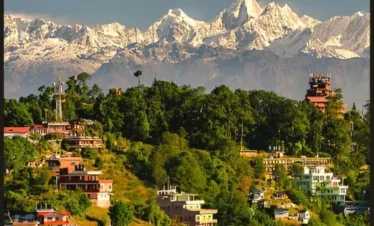
There are so many things to know, so let’s begin. The Himalayas are not merely a geographical feature, a range of mountains; they epitomise a people’s civilisational identity that goes back to the dawn of history. If these majestic mountains were not there, the rain clouds sweeping up from the Indian Ocean would have passed over the Indian subcontinent into central Asia leaving it a burning desert.

“The Himalya, the king of the mountains, five and thousand league in extent at the circumference, with its ranges or eight hundred and forty thousand peaks, the source of five hundred rivers, the dwelling place of multitudes of mighty creatures, the producer of manifold perfumes, enriched with hundreds of magical drugs, it is seen to rise aloft like a cloud in the centre of the earth.” In fact, a text called the Sama Veda (Sam Veda) does describe the mountain ranges to be the centre of the earth. To the sage’s description may be added that these ranges are the youngest in India and one of the youngest mountain systems of the world. With many peaks yet to be christened, these mountain ranges have also given birth to many heroes who have scaled its heights.

vector background

Himalayas Tour Packages