Menu

khangchendzonga National Park

UNESCO World Heritage Site in Sikkim

Area: 1,784 km² (689 sq mi)

Climate: Minimum: -10°C | Maximum: 25°C

Best Time to Visit: April to May and September to October

Location: Located in North and West Sikkim, Khangchendzonga National Park lies in the eastern Himalayas, bordering Nepal and Tibet. The park is accessible via Gangtok, with road connectivity to Yuksom, the main gateway for trekking and park entry.

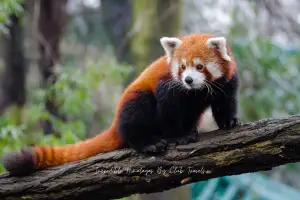
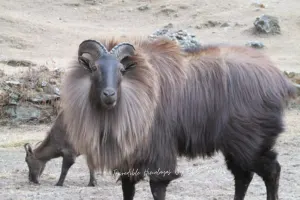
Wildlife Attractions: Khangchendzonga National Park is home to rare and high-altitude Himalayan wildlife, including the Snow Leopard, Red Panda, Himalayan Black Bear, Musk Deer, Himalayan Tahr, Blue Sheep (Bharal), Clouded Leopard, and Serow. The park also supports rich birdlife with species such as the Himalayan Monal, Blood Pheasant, Satyr Tragopan, and several alpine and migratory birds.

Khangchendzonga National Park lies in the high mountains of Sikkim. It is one of the wildest and least disturbed places in India. The park is named after Mount Khangchendzonga, the third-highest mountain in the world. Snow peaks, deep valleys, glaciers, and forests shape this land. The park covers a large area and rises from green river valleys to icy mountain tops. As you move higher, the scenery keeps changing. Thick forests turn into open meadows, and then into rocky slopes and snowfields. Many parts of the park are still untouched, which makes it feel quiet and powerful. Khangchendzonga National Park is home to rare animals like the snow leopard and red panda. Colorful birds, alpine flowers, and old forests fill the landscape. Life here survives in tough conditions, but it thrives. This park is not only about nature. It is also sacred to the local Lepcha and Bhutia people. Mountains, lakes, and caves are deeply respected. Visitors often feel a strong sense of peace here. Khangchendzonga National Park is a place for those who love silence, raw beauty, and real mountain life. It does not try to impress. It simply exists, strong and timeless.

Why Visit Khangchendzonga National Park?

Khangchendzonga National Park is India’s first UNESCO Mixed World Heritage Site, recognized for its outstanding natural beauty as well as its deep cultural and spiritual significance. The park preserves pristine Himalayan ecosystems alongside sacred landscapes revered by local communities for centuries.

Dominated by Mount Khangchendzonga (8,586 m), the park offers some of the most dramatic mountain scenery in the eastern Himalayas. Snow-clad peaks, massive glaciers, and high-altitude valleys create unforgettable panoramic views found nowhere else in India.

The park is a vital refuge for elusive and endangered species such as the Snow Leopard, Red Panda, Himalayan Black Bear, Musk Deer, and Himalayan Tahr. Its remote terrain and protected status provide one of the best chances to experience true high-altitude Himalayan wildlife.

Khangchendzonga National Park offers some of the most scenic and least disturbed trekking routes in the eastern Himalayas, including the legendary Goecha La Trek. Trekkers pass through dense forests, alpine meadows, and glacial valleys with breathtaking mountain backdrops.

Sacred lakes, caves, and mountain peaks within the park hold profound spiritual importance for the Lepcha and Bhutia communities. A visit offers not just natural beauty, but a rare opportunity to experience authentic Sikkimese culture, traditional beliefs, and a harmonious relationship between people and nature.


Flora of Khangchendzonga National Park

Khangchendzonga National Park supports one of the most diverse and well-preserved plant ecosystems in the Himalayan region, largely due to its dramatic elevation range. Vegetation here changes distinctly with altitude, beginning with subtropical broadleaf forests in the lower valleys and gradually transitioning into temperate mixed forests dominated by oak, maple, magnolia, fir, and birch. At higher elevations, subalpine conifer forests give way to expansive alpine meadows and high-altitude scrub zones, which bloom with rare flowers during the short summer season. The park is especially renowned for its exceptional rhododendron diversity, with more than 40 species spread across different altitudes. In addition, numerous medicinal and endemic plant species thrive here, many of which are traditionally used in Himalayan healing practices. These forests play a vital role in soil conservation, water regulation, and wildlife sustenance, making the park a crucial ecological zone in eastern India.

Fauna of Khangchendzonga National Park

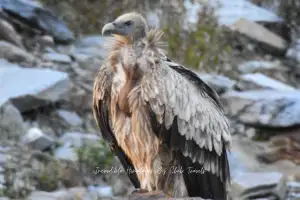
Khangchendzonga National Park is a stronghold for some of the rarest and most endangered wildlife species found in the Himalayan region. Its remote terrain, varied habitats, and minimal human disturbance provide ideal conditions for wildlife conservation. The park is home to iconic mammals such as the Snow Leopard, Red Panda, Himalayan Black Bear, Musk Deer, Himalayan Tahr, Blue Sheep (Bharal), Clouded Leopard, and Serow. Birdlife is equally impressive, with over 550 recorded bird species, making the park a paradise for birdwatchers. Notable avian species include the Himalayan Monal, Blood Pheasant, Satyr Tragopan, Snow Pigeon, and Himalayan Griffon. A wide variety of reptiles, amphibians, and insects further enhance the park’s biodiversity, highlighting its global conservation importance.

Glaciers, Rivers & Sacred Lakes of Khangchendzonga National Park

The park is characterized by dramatic high-altitude landscapes shaped by massive glaciers, river systems, and sacred water bodies. It is home to the Zemu Glacier, one of the largest glaciers in the eastern Himalayas, along with several smaller valley glaciers that feed major river systems. Khangchendzonga National Park serves as the source region for important Himalayan rivers such as the Teesta and Rangeet, which are lifelines for agriculture and human settlements downstream. The park also contains sacred high-altitude lakes, including Green Lake and Samiti Lake, which hold deep religious and spiritual significance for local communities and are integral to regional cultural traditions.

Best Time to Visit Khangchendzonga National Park

The best time to visit Khangchendzonga National Park is during April to May and September to October, when weather conditions are most favorable. Spring months bring blooming rhododendrons, lush forests, and clear mountain views, while the post-monsoon season offers excellent visibility and ideal conditions for trekking and photography. Winters in the park are extremely cold with heavy snowfall, making access difficult, while monsoon months can restrict travel due to landslides and slippery mountain trails.

Wildlife Attractions of Khangchendzonga National Park

Kaziranga is celebrated not just for rhinos, but for its extraordinary diversity of wildlife.

Red Panda
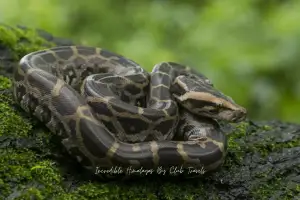
Indian Rock Python
Himalayan Tahr
Himalayan Griffon
Leopard Cat
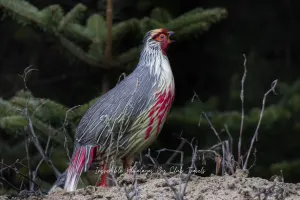
Blood Pheasant

Himalayas Tour Packages