Menu

Great Himalayan National Park

A UNESCO Wilderness Experience in India

Altitude : 15,00-5805 meters.
Climate : MIN. -5ºC Max. – 30ºC
Best Time to Visit : April to June, September to October
Location : 60 km southwest of Kullu town, Himachal Pradesh
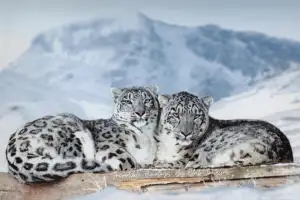
Wildlife Attractions : Snow leopard, Tibetan kiang, ibex, serow and Tibetan antelope.

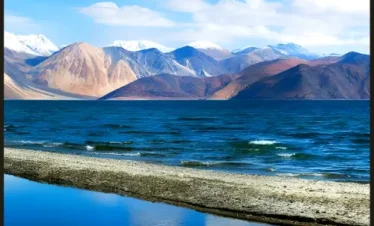
Explore one of India’s most unspoiled UNESCO World Heritage Sites, the Great Himalayan National Park (GHNP) —a pristine wilderness hidden deep in the western Himalayas of Himachal Pradesh. Located in the Kullu region near the eco-friendly villages of Gushaini, Tirthan Valley, and Sainj Valley, this protected landscape spans 1,171 square kilometers within a globally recognized Himalayan biodiversity hotspot. Ranging from lush river valleys and dense forests to high alpine meadows and snow-covered peaks, GHNP offers international travelers a rare opportunity to experience raw Himalayan beauty, exceptional biodiversity, and authentic mountain culture far from commercial tourism. Inscribed on the UNESCO World Heritage List in 2014  for its outstanding significance in biodiversity conservation, the park is home to over 1,000 species of plants, including valuable medicinal herbs, along with 31 species of mammals, 209 species of birds, and a rich variety of amphibians, reptiles, and insects. GHNP is defined by four major river valleys—Parvati Valley, Jiwa Nal Valley, Tirthan Valley, and Sainj Valley—each named after rivers that originate within the park. Popular eco-treks, such as the route from Gushaini to Rolla along the Tirthan River, allow visitors to walk through lush forests, expansive meadows, pristine glaciers, and dramatic Himalayan peaks. Activities like birdwatching, wildlife photography, and guided nature walks in the ecozone further enhance the experience, making the Great Himalayan National Park an ideal destination for nature lovers, trekkers, and conscious travelers seeking meaningful and sustainable travel experiences in the true heart of the Indian Himalayas.

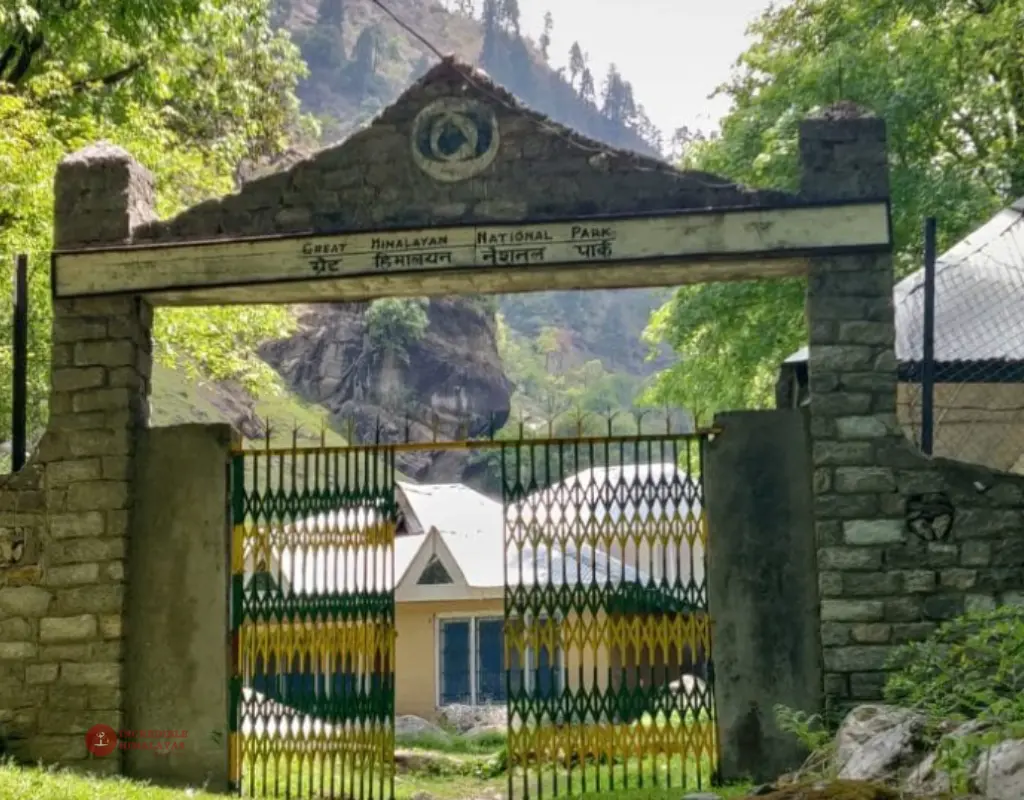
Why Great Himalayan National Park Is a UNESCO World Heritage Site

GHNP earned UNESCO status due to its exceptional ecological value and remarkable variety of flora and fauna. The park protects entire mountain ecosystems, from subtropical forests to alpine zones, creating a safe haven for endangered Himalayan species.

Key highlights include:

  • Over 800 plant species
  • More than 375 fauna species
  • Rare Himalayan wildlife in its natural habitat
  • Intact river systems and glacial landscapes

Unlike crowded national parks, GHNP allows visitors to experience wildlife without artificial enclosures or mass tourism, offering a genuine wilderness encounter.

National Park And Sanctuaries

Flora of this Park

The park vegetation is a diverse mix of Ban Oak Forest, Moist Deodar Forest, Western Mixed Coniferous Forest, Moist Temperate Deciduous Forest, Himalayan Alpine Pastures, and Rhododendron Scrub Forest. The area below 2,000 metres is dominated by blue pine (pinus wallichiana), and higher up by a broad broadleaved forest on sloping areas and fir (Abies pindrow) on the steep areas. Other vegetations are oak, blue pine, cedar (Cedrus).
Fauna of this Park

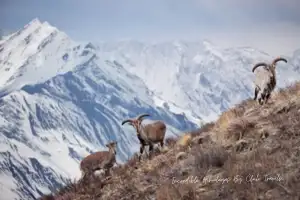
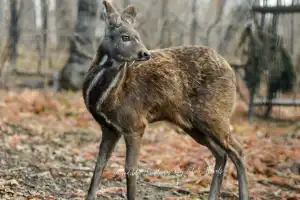
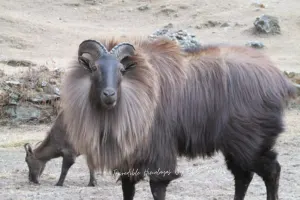
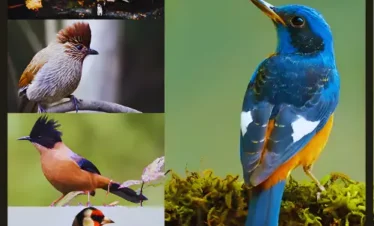
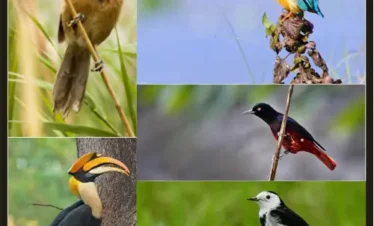
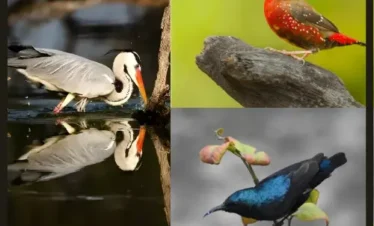
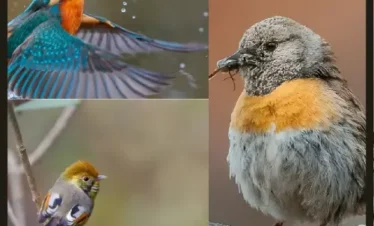
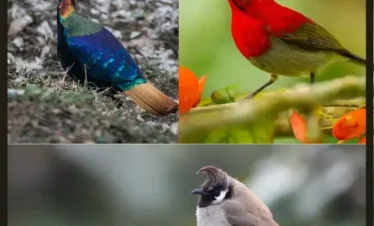
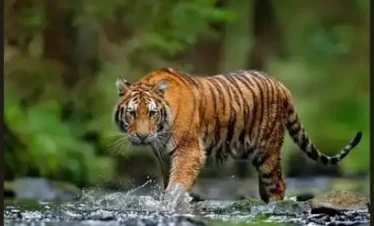
The park has good wild population, especially of avifauna. The park has largest remaining population of Himalayan Tahr in Himachal Pradesh. Major wildlife species found in the park are Snow Leopard, musk Deer, Blue Sheep, Ibex, Wolf, Leopard, Rhesus macaque (Macaca mulatta), common langur (Presbytis entellus), Himalayan black bear, goral, muntjac, and serow.

Nearest Access

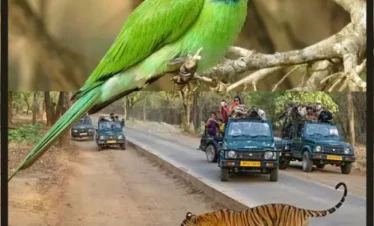
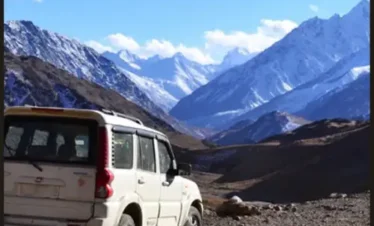
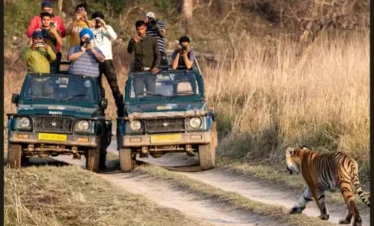
From Kullu, National Highway # 21 (to Manali) leads to Aut, from where a motorable road leads part-way to the park. A vehicle can be hired at Kullu to do the trip to Gushaini or Neuli, the end of the road. From here onwards, visitors need to go on foot, as no motor transport or horses are allowed.Within the Great Himalayan National Park, the only form of transport is your own two legs- so make sure you're physically fit and wearing a sturdy pair of boots. A qualified guide is mandatory for everybody visiting the park; you'll be able to hire one at the park's office. A trek through the park is definitely the best way to see the beauty of this area, and with some luck you should be rewarded with some great sightings of birds, bharal, langurs, and even a leopard or bear.
Visiting Season

The best seasons for visiting the park are summer from April to June and autumn from September to November. The relatively high density of wildlife in the area assures the visitors of sighting the Monal, Western Tragopan, Musk Deer, Goral, Bharal, and the Himalayan Thar. The rainy season from July to August and the winter season from December to March are not advisable periods to visit the park, as excessive damage to the road network and other inconveniences to the visitor are unavoidable.

Wildlife and Biodiversity of Great Himalayan National Park

The park is internationally recognized for its high-altitude Himalayan wildlife. Travelers may encounter rare and elusive species such as:

Snow Leopard
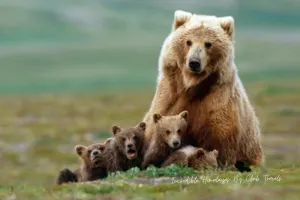
Himalayan Brown Bear
Blue Sheep (Bharal)
Musk Deer
Himalayan Tahr
Western Tragopan

Himalayas Tour Packages