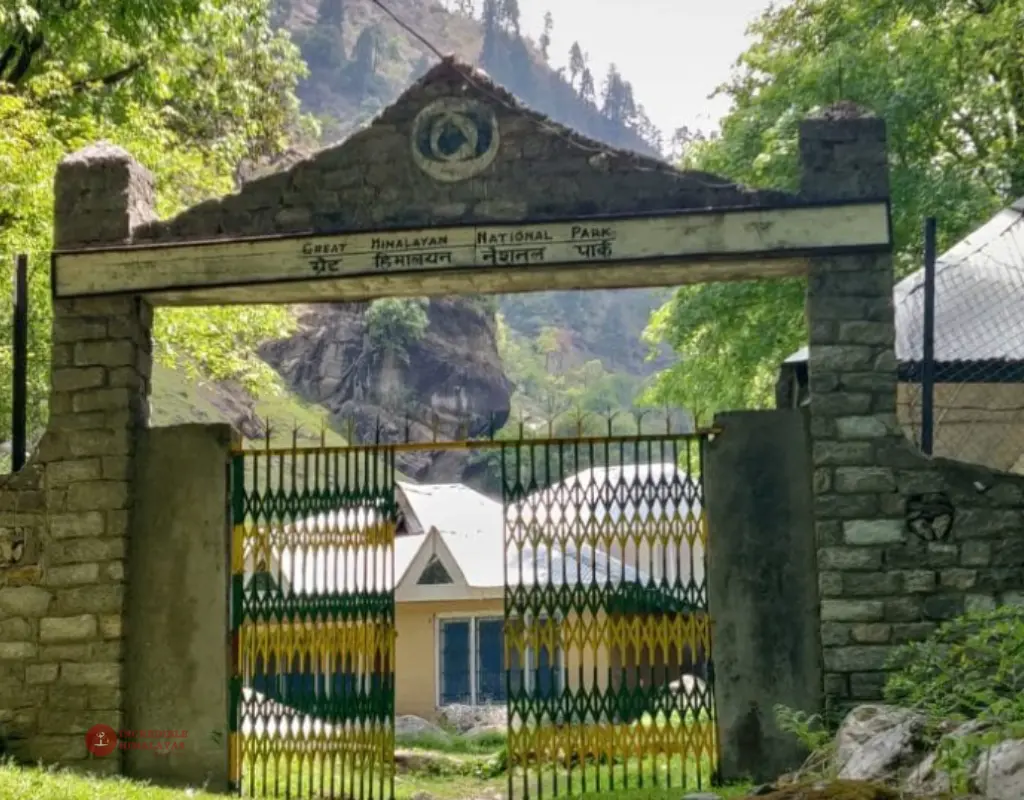
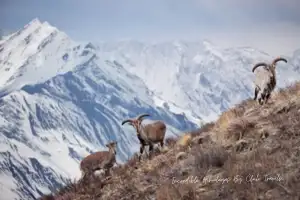
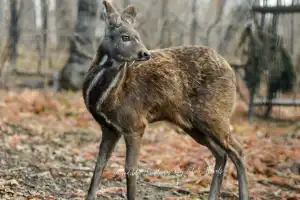
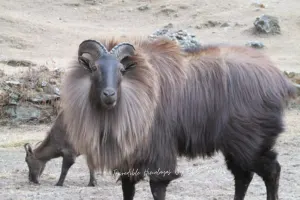
Explore one of India’s most unspoiled UNESCO World Heritage Sites, the “Great Himalayan National Park (GHNP)“ —a pristine wilderness hidden deep in the western Himalayas of Himachal Pradesh. Located in the Kullu region near the eco-friendly villages of Gushaini, Tirthan Valley, and Sainj Valley, this protected landscape spans 1,171 square kilometers within a globally recognized Himalayan biodiversity hotspot. Ranging from lush river valleys and dense forests to high alpine meadows and snow-covered peaks, GHNP offers international travelers a rare opportunity to experience raw Himalayan beauty, exceptional biodiversity, and authentic mountain culture far from commercial tourism. Inscribed on the UNESCO World Heritage List in 2014 for its outstanding significance in biodiversity conservation, the park is home to over 1,000 species of plants, including valuable medicinal herbs, along with 31 species of mammals, 209 species of birds, and a rich variety of amphibians, reptiles, and insects. GHNP is defined by four major river valleys—Parvati Valley, Jiwa Nal Valley, Tirthan Valley, and Sainj Valley—each named after rivers that originate within the park. Popular eco-treks, such as the route from Gushaini to Rolla along the Tirthan River, allow visitors to walk through lush forests, expansive meadows, pristine glaciers, and dramatic Himalayan peaks. Activities like birdwatching, wildlife photography, and guided nature walks in the ecozone further enhance the experience, making the Great Himalayan National Park an ideal destination for nature lovers, trekkers, and conscious travelers seeking meaningful and sustainable travel experiences in the true heart of the Indian Himalayas.