Hemis National Park
India’s High-Altitude Wildlife Sanctuary
Area: 4,400 km2 (1,700 sq mi)
Altitude: 3,300 – 6,700 meters
Climate: Min. –20°C | Max. 25°C
Best Time to Visit: May to September
Location: Ladakh Region, Union Territory of Ladakh
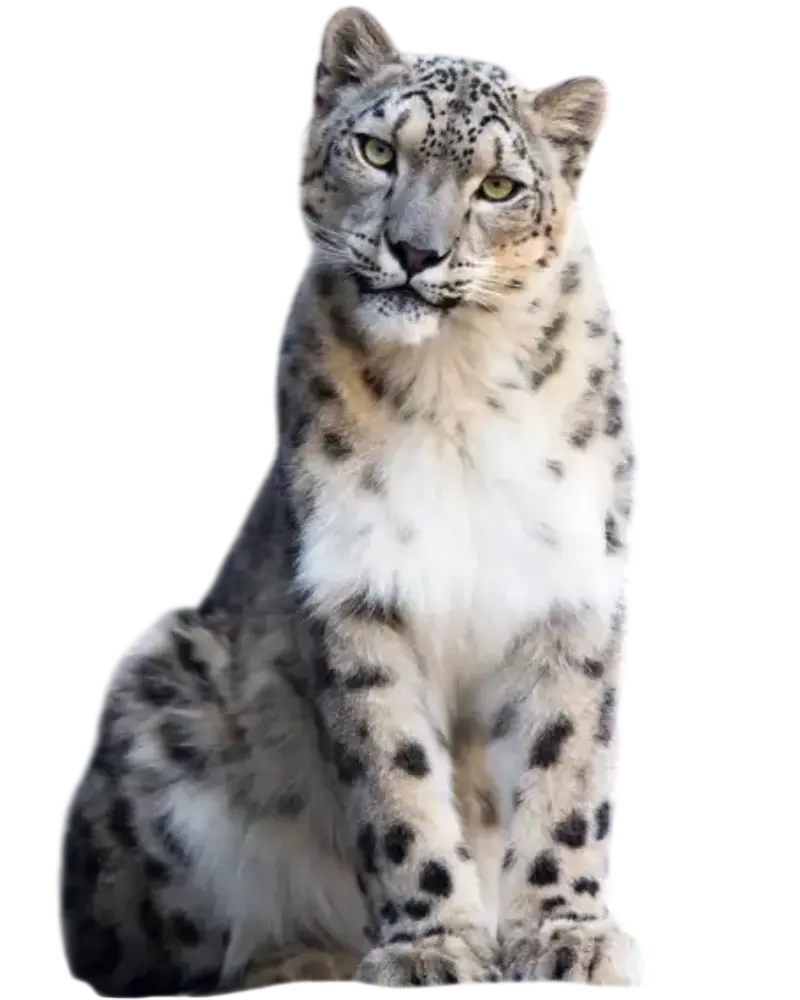
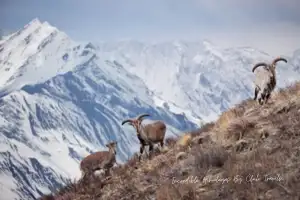
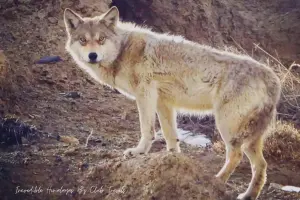
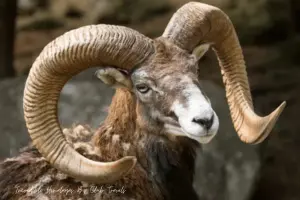
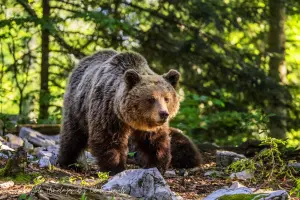
Wildlife Attractions: Snow Leopard, Himalayan Blue Sheep, Tibetan Wolf, Eurasian Brown Bear, Ladakh Urial
Nestled in the rugged trans-Himalayan landscape of Ladakh, Hemis National Park is India’s largest national park and one of the most spectacular high-altitude wildlife reserves in the world. Spread across vast valleys, rocky slopes, alpine meadows, and snowbound peaks, the park lies east of Leh and surrounds the iconic Hemis Monastery, from which it takes its name. Renowned globally as the best habitat for the elusive Snow Leopard, Hemis National Park offers a rare opportunity to witness wildlife thriving in one of the harshest environments on Earth. The dramatic terrain, shaped by glaciers and deep river valleys, creates a raw wilderness that feels untouched and profoundly remote. Despite its extreme climate, Hemis supports a rich and fragile ecosystem adapted to cold desert conditions. Traditional Ladakhi villages lie within and around the park, where centuries-old culture, Buddhist traditions, and wildlife coexist in remarkable harmony. For travelers seeking authentic Himalayan wilderness, Hemis National Park represents nature in its purest form.
Why Hemis National Park Is Ecologically Important
Hemis National Park is internationally recognized for its vital role in high-altitude wildlife conservation, particularly in protecting the endangered Snow Leopard. The park preserves an entire trans-Himalayan cold desert ecosystem, supporting rare mammals, migratory birds, and alpine plant species uniquely adapted to extreme climatic conditions.
Hemis National Park is the largest national park in India, covering an immense stretch of rugged mountains, deep valleys, and alpine landscapes. Its vast size allows wildlife to move freely across natural territories, ensuring healthy population dynamics and long-term ecological stability.

The park is globally renowned as one of the most important habitats for the elusive Snow Leopard. Its steep terrain, abundant prey base, and minimal human interference make Hemis a critical stronghold for Snow Leopard conservation and research.
Hemis protects a rare and fragile cold desert ecosystem, where life has adapted to survive extreme cold, low oxygen levels, and scarce vegetation. This intact ecological system supports specialized flora and fauna found nowhere else in the Indian Himalayas.
Due to its remote location and harsh climate, Hemis National Park experiences limited human activity. This low level of disturbance allows wildlife to thrive naturally, preserving authentic predator-prey relationships and undisturbed wilderness landscapes.
Local Ladakhi communities actively participate in conservation initiatives, promoting coexistence between humans and wildlife. Sustainable tourism, wildlife awareness programs, and Snow Leopard conservation projects have made Hemis a successful model of community-driven ecological protection.
Unlike lowland wildlife parks, Hemis National Park offers a true wilderness experience, where animals roam freely across vast mountain landscapes without artificial boundaries—making it one of India’s most significant high-altitude conservation areas.
Flora of Hemis National Park
Fauna of Hemis National Park
Access and Connectivity of Hemis National Park
Best Season to Visit Hemis National Park
Wildlife Attractions of Hemis National Park
Hemis National Park is world-famous for its rare high-altitude wildlife, offering one of the best natural habitats to observe elusive Himalayan species in a true cold-desert wilderness.
Snow Leopard
Red Fox
Blue Sheep (Bharal)
Tibetan Wolf
Ladakh Urial