Menu

Himachal, the Green Himalayas

Where Nature Lives in Its Purest Form

Altitude : 350 – 6,816 meters
Climate : Min. – -10°C | Max. – 30°C
Best Time to Visit : March to June, September to November
Location : Northern India, in the western Himalayan region
Natural Highlights : Snow-capped mountains, dense deodar forests, alpine meadows, rivers, and valleys
Wildlife Highlights : Snow leopard, Himalayan brown bear, musk deer, Himalayan monal, blue sheep

Nestled in the heart of northern India, Himachal Pradesh, often called“the Green Himalayas,”is a land of dramatic mountains, deep forested valleys, crystal-clear rivers, and timeless village life. For international travelers, Himachal offers an authentic Himalayan experience—far from crowds, rich in nature, culture, and slow travel moments. From snow-capped peaks and alpine meadows to peaceful hill towns and sacred landscapes, Himachal is one of India’s most rewarding destinations for nature lovers, adventure seekers, and eco-conscious travelers.

Why Himachal Is Known as the Green Himalayas

Himachal Pradesh earns its title “the Green Himalayas” due to its vast stretches of untouched forests, fertile valleys, and protected natural reserves. Large parts of the state fall under forest cover, creating a rare balance between human life and nature.

What makes Himachal unique:

  • Dense pine, deodar, oak, and rhododendron forests

  • Snow-fed rivers like the Beas, Sutlej, Ravi, and Chenab

  • Clean mountain air and low pollution levels

  • Strong focus on sustainable tourism and conservation

For travelers seeking clean environments and natural beauty, Himachal stands out as one of the greenest regions in India.

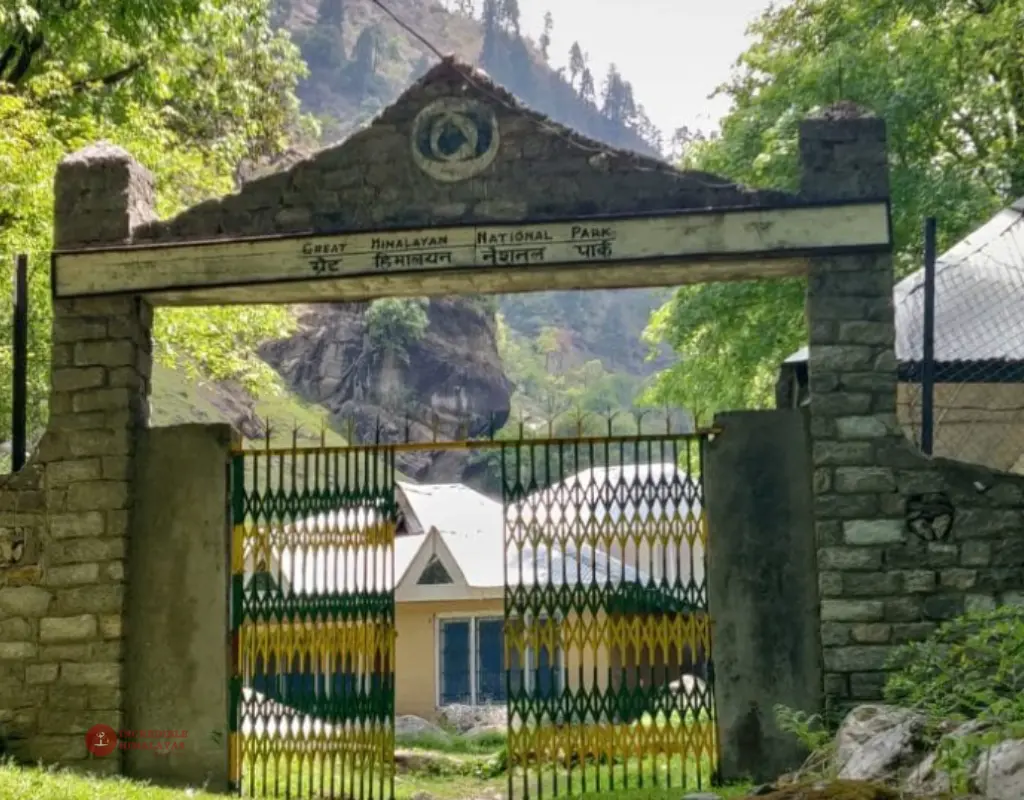
great himalayan national park

Flora of Himachal – The Green Himalayas

Himachal Pradesh is known for its rich and varied vegetation, shaped by changing altitude and climate. The forests of Himachal form one of the most diverse ecological zones in the western Himalayas.The vegetation includes Ban Oak forests, Moist Deodar forests, Western Mixed Coniferous forests, Moist Temperate Deciduous forests, Himalayan alpine pastures, and Rhododendron scrub forests. Areas below 2,000 meters are largely dominated by blue pine (Pinus wallichiana), while higher elevations support extensive broad-leaved forests on gentler slopes and fir forests (Abies pindrow) on steeper terrain.Other commonly found tree species include oak, cedar (Cedrus deodara), blue pine, and spruce, creating dense green landscapes that give Himachal its title as the Green Himalayas. During spring and summer, alpine meadows bloom with wildflowers, adding seasonal color to the mountain scenery.

Fauna of Himachal – Wildlife of the Western Himalayas

Himachal Pradesh supports a healthy and diverse wildlife population, particularly rich in Himalayan mammals and bird species. The state is an important habitat for several rare and endangered species.Himachal is home to the largest remaining population of Himalayan Tahr in the region. Other notable wildlife species include snow leopard, Himalayan black bear, musk deer, blue sheep (bharal), ibex, goral, serow, muntjac, wolf, and leopard. The lower forest zones are also inhabited by rhesus macaques and common langurs.For bird lovers, Himachal is a paradise, with frequent sightings of Himalayan monal, Western tragopan, pheasants, and high-altitude migratory birds, making it a preferred destination for international birdwatchers.

Nearest Access to Himachal’s Green Himalayan Regions

Himachal Pradesh is well connected by road, rail, and air, making it accessible for international and domestic travelers.From Kullu, National Highway 21 (towards Manali) leads to Aut, from where motorable roads connect to various valleys and nature-rich regions. Vehicles can be hired from Kullu to reach destinations such as Tirthan Valley, Gushaini, Sainj, and nearby forest areas.In protected and eco-sensitive zones, access beyond certain points is on foot only. Trekking is the best way to explore Himachal’s untouched landscapes, forests, and wildlife corridors. In many forest and protected areas, local guides are mandatory, ensuring visitor safety and responsible tourism.Good physical fitness, sturdy walking shoes, and proper preparation are recommended for travelers planning nature walks or treks.

Visiting Season – Best Time to Explore Himachal, the Green Himalayas

The best time to visit Himachal Pradesh depends on the experience travelers are seeking, but summer and autumn are considered the most favorable seasons.April to June (Summer): Pleasant weather, ideal for sightseeing, trekking, and wildlife observationSeptember to November (Autumn): Clear skies, fresh mountain air, excellent visibility, and rich wildlife activityThe monsoon season (July to August) is generally not recommended due to heavy rainfall, landslides, and road damage in mountainous areas. Similarly, winter (December to March) brings heavy snowfall to higher regions, limiting access and travel convenience.During the best seasons, visitors have higher chances of spotting wildlife such as Himalayan monal, Western tragopan, musk deer, goral, bharal, and Himalayan tahr.

Wildlife and Biodiversity of Himachal – The Green Himalayas

Himachal Pradesh is internationally recognized for its rich Himalayan wildlife and biodiversity, shaped by vast altitude variations and well-preserved forest ecosystems. The state provides a safe habitat for many rare, endangered, and high-altitude species found only in the western Himalayas.

Travelers exploring Himachal’s national parks, wildlife sanctuaries, and remote mountain regions may encounter elusive species such as:

snow Leopards
Snow Leopard
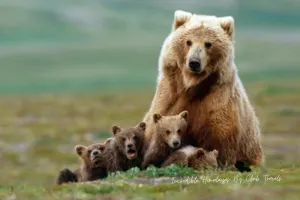
Himalayan Brown Bear
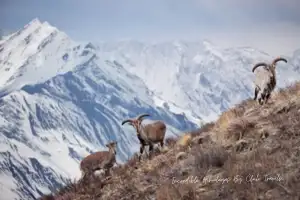
Blue Sheep (Bharal)
Blue Sheep (Bharal)
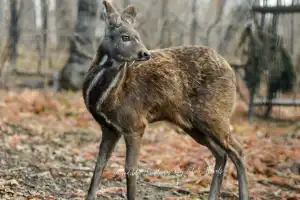
Musk Deer
Musk Deer
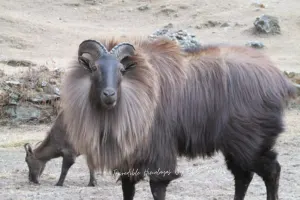
Himalayan Tahr
Himalayan Tahr
Western Tragopan
Western Tragopan

Himalayas Tour Packages