A Complete Travel & Trekking Guide
There is a moment, somewhere above 4,000 meters, when the air thins and the world goes quiet — not the quiet of absence, but the quiet of presence. You stop walking. You look up. And the Himalayas look back. For thousands of Israeli travelers who make this journey every year, that moment is the reason they came.
Israel and Nepal share one of the most unlikely travel connections in the world. Each year, following mandatory military service, tens of thousands of young Israelis head east — and the Himalayas have become one of the top destinations. This guide is written for them, and for any Israeli traveler ready to trade the Mediterranean coast for the roof of the world.
Getting There: Israel to Nepal
Flights from Israel
There are no direct flights from Israel to Nepal. All routes require at least one connection, most commonly through the Gulf states or India.
COMMON FLIGHT ROUTES
| Tel Aviv → Dubai → Kathmandu | Emirates | 10–12 hrs total |
| Tel Aviv → Doha → Kathmandu | Qatar Airways | 11–13 hrs total |
| Tel Aviv → Delhi → Kathmandu | Air India / IndiGo | 12–15 hrs total |
| Tel Aviv → Istanbul → Kathmandu | Turkish Airlines | 13–15 hrs total |
💡 Pro Tip: Book at least 2–3 months in advance for peak season (Oct–Nov, Mar–Apr). Qatar Airways and Emirates tend to offer the best balance of price, comfort, and connection times.
Visa & Entry Requirements
Israeli citizens require a visa to enter Nepal. The good news: Nepal offers a straightforward on-arrival visa at Tribhuvan International Airport in Kathmandu, as well as at major land border crossings.
NEPAL VISA FOR ISRAELIS
| 15-day visa | $30 USD |
| 30-day visa | $50 USD |
| 90-day visa | $125 USD |
| Payment | USD cash or major credit card |
| Documents needed | Passport (6+ months validity), passport photo, completed form |
💡 Note: Most trekkers choose the 30-day visa, which is sufficient for a standard Everest Base Camp or Annapurna Circuit trek plus time in Kathmandu.
Best Seasons for Trekking
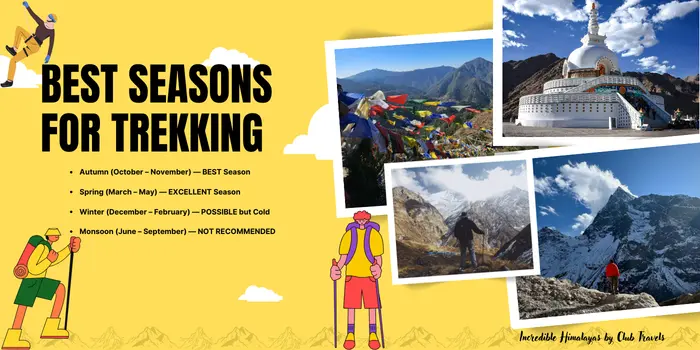
Autumn (October – November) — BEST Season
This is the golden window. The monsoon has cleared, skies are crisp and blue, and the entire Himalayan range appears with almost surreal clarity. Temperatures are manageable at most altitudes, and the trails are alive with trekkers from around the world. Expect the highest crowds and prices of the year.
Spring (March – May) — EXCELLENT Season
The second-best window. Rhododendrons bloom across the lower slopes, painting the forests in vivid pink and red. Temperatures are slightly warmer than autumn, and the skies are generally clear — though afternoon clouds can build as the pre-monsoon season approaches in late May.
Winter (December – February) — POSSIBLE but Cold
High passes can be blocked by snow, and temperatures at altitude drop severely — below -20°C at Everest Base Camp is not uncommon. However, lower-altitude treks like the Annapurna foothills or Langtang valley are beautiful in winter, with thin crowds and excellent visibility. For experienced trekkers, this season has its rewards.
Monsoon (June – September) — NOT RECOMMENDED
Heavy rainfall brings leeches, landslides, flooded trails, and persistent cloud cover that obscures the very mountains you came to see. Most trekkers avoid this season entirely, though it remains popular in the rain-shadow regions of Upper Mustang and Dolpo.
Israel Connection: The peak autumn season (Oct–Nov) aligns perfectly with the post-army trip tradition. Most young Israelis finishing their service between July–September can plan to arrive in Kathmandu by early October for ideal conditions.
The Classic Treks: Which Route Is Right for You?
1. Everest Base Camp (EBC) Trek
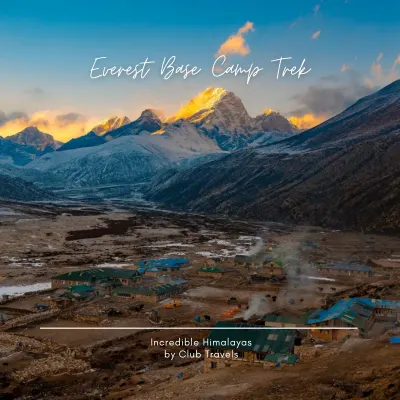
The most iconic trek in the world. Beginning with a dramatic mountain flight to Lukla airport (one of the most thrilling landings on the planet), the EBC trail winds through the Khumbu Valley, passing the storied towns of Namche Bazaar and Tengboche, before reaching the foot of the world’s highest peak at 5,364 meters.
EBC TREK AT A GLANCE
| Duration | 12–14 days (round trip from Lukla) |
| Max Altitude | 5,364 m (Everest Base Camp) |
| Difficulty | Moderate–Strenuous |
| Highlight | Kala Patthar viewpoint (5,643 m) — best view of Everest |
| Permit Required | Sagarmatha National Park permit + Khumbu Pasang Lhamu Rural Municipality |
💡 Insider Tip: The actual best view of Everest is not from Base Camp (the mountain is partly hidden there) but from Kala Patthar — a 5,643-meter ridge above Gorak Shep. Budget an extra half-day and the effort is absolutely worth it.
2. Annapurna Circuit
Longer, more varied, and arguably more scenic in its diversity, the Annapurna Circuit traces a full loop around the Annapurna massif. The route passes through lush subtropical forests, terraced farmland, and barren high-altitude desert before crossing the dramatic Thorong La Pass at 5,416 meters — one of the highest motorable passes in the world.
ANNAPURNA CIRCUIT AT A GLANCE
| Duration | 15–21 days (full circuit) |
| Max Altitude | 5,416 m (Thorong La Pass) |
| Difficulty | Moderate–Strenuous |
| Highlight | Cultural diversity — Hindu, Buddhist, Thakali villages |
| Permit Required | ACAP (Annapurna Conservation Area Permit) + TIMS card |
3. Annapurna Base Camp (ABC) Trek
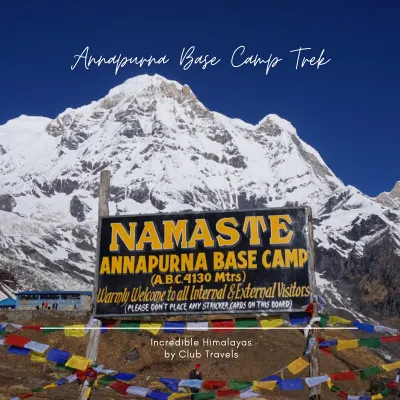
A shorter and more accessible alternative to the full circuit, the ABC trek leads directly into the heart of the Annapurna Sanctuary — a natural amphitheater ringed by some of the highest peaks on earth. The approach through the Modi Khola gorge is dramatic and intimate, culminating in a breathtaking 360-degree panorama of summits above 7,000 meters.
ABC TREK AT A GLANCE
| Duration | 10–12 days (from Pokhara) |
| Max Altitude | 4,130 m (Annapurna Base Camp) |
| Difficulty | Moderate |
| Highlight | Sunrise over the Annapurna Sanctuary |
| Best For | First-time Himalayan trekkers |
4. Langtang Valley Trek
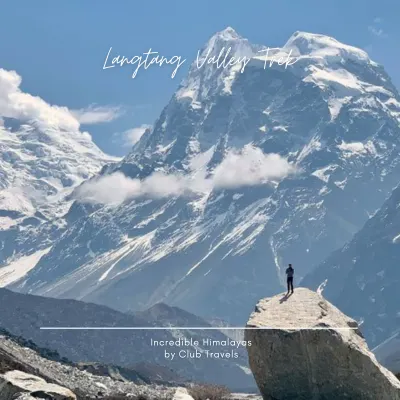
Nepal’s closest major trek to Kathmandu and significantly less crowded than EBC or Annapurna, Langtang follows a beautiful valley northward toward the Tibetan border. The trail passes through dense forests of rhododendron and oak, traditional Tamang villages, and yak pastures, before arriving at the tranquil Kyanjin Gompa monastery beneath a glacier.
LANGTANG AT A GLANCE
| Duration | 7–10 days |
| Max Altitude | ~4,984 m (Tserko Ri viewpoint) |
| Difficulty | Moderate |
| Highlight | Kyanjin Gompa and yak cheese factory |
| Best For | FirTrekkers with limited time, culture enthusiasts |
Gear & Packing Guide
Essential Clothing
- Moisture-wicking base layers (merino wool recommended — worth the price)
- Insulating mid-layer: fleece or down jacket
- Waterproof outer shell jacket and pants
- Trekking trousers (2 pairs minimum)
- Warm hat, gloves, and neck gaiter — mandatory above 3,500m
- Sun hat or cap for lower altitudes
- Merino wool socks (4–5 pairs; synthetic dry faster but wool regulates temperature better)
- Quality trekking boots — broken in before departure, waterproof, ankle support
- Camp sandals or flip-flops for teahouse evenings
Gear & Equipment
- Trekking poles — highly recommended; saves knees on descent
- Quality sleeping bag rated to -10°C or lower (many teahouses have cold rooms)
- Daypack (25–30L) for summit days
- Main duffel or backpack (50–60L) if using a porter
- Headlamp with extra batteries (power cuts are common)
- Water purification: UV pen (SteriPen) or iodine tablets — don’t rely solely on bottled water
- Trekking first aid kit (see health section below)
- Portable power bank — charging at teahouses can cost $1–3 per charge
- Sunglasses with UV protection — snow blindness is a real risk above 4,000m
- High SPF sunscreen (50+) and lip balm
What NOT to Bring
- Heavy books or unnecessary electronics
- Large bottles of shampoo, conditioner etc. — buy small sachets in Kathmandu
- Expensive jewelry or valuables
- Too many “just in case” clothes — laundry services exist on trail
Budget Tip: Thamel, Kathmandu’s tourist district, is packed with outdoor gear shops — both authentic brand stores and excellent quality imitations. You can kit out almost completely in Kathmandu at a fraction of Western prices.
Health, Altitude & Safety
Altitude Sickness (AMS)
Acute Mountain Sickness is the most significant health risk on any Himalayan trek. It affects people regardless of age, fitness level, or previous experience. The golden rule is simple: ascend slowly, never rush, and descend immediately if symptoms worsen.
Common symptoms include headache, nausea, fatigue, loss of appetite, and disturbed sleep. Serious symptoms — confusion, ataxia, severe breathlessness at rest — indicate High Altitude Cerebral or Pulmonary Edema (HACE/HAPE) and require immediate descent and emergency evacuation.
ALTITUDE ACCLIMATIZATION RULES
| Above 3,000m | Ascend no more than 300–500m per day |
| Rest days | Mandatory at Namche (3,440m) and Dingboche (4,360m) on EBC |
| Medication | Diamox (Acetazolamide) — consult doctor before trip |
| Golden rule | Never ascend with worsening symptoms — ALWAYS descend |
Travel Insurance
This is non-negotiable. Standard travel insurance does NOT cover helicopter evacuation from high altitude — and a single helicopter rescue from above Base Camp can cost $5,000–$15,000 USD. You must have a policy that specifically covers high-altitude trekking and helicopter evacuation to altitude.
⚠️ Critical: Most Israeli insurance policies (such as those from Harel, Migdal, or Clal) offer add-on adventure sports riders. Verify explicitly that helicopter rescue from above 5,000m is covered before you depart.
Water & Food Safety
- Never drink untreated water — use SteriPen, purification tablets, or buy bottled water
- Dal Bhat (lentil soup with rice) is the safest, most nutritious, and most local meal on trail
- Be cautious with salads and raw vegetables, especially at lower altitudes
- Teahouse food is generally safe — chicken is higher risk than vegetarian options at altitude
Medications to Pack
- Diamox (Acetazolamide) — altitude sickness prevention (consult doctor)
- Ibuprofen and paracetamol — headache and pain relief
- Oral rehydration salts
- Imodium — stomach upsets are common
- Blister kit — moleskin, needle, antiseptic
- Antibiotics (broad spectrum) — on doctor’s prescription for emergencies
Guide & Porter: Do You Need One?
Nepal’s major trekking routes are well-marked and heavily trafficked — many experienced trekkers complete them independently. However, hiring a licensed guide adds safety, local knowledge, cultural insight, and supports the Nepali economy directly. If you carry a heavy pack, a porter dramatically improves your experience and the cost is modest.
💡 Rule of Thumb: First-time trekkers and those uncomfortable with altitude navigation should strongly consider a licensed guide. The TAAN (Trekking Agencies’ Association of Nepal) maintains lists of certified agencies in Kathmandu.
Kathmandu: Before & After the Trek
What to Do in Kathmandu
Kathmandu is a city of extraordinary layers: ancient temples and medieval courtyards, Buddhist stupas and Hindu shrines, chaotic traffic and quiet monastery gardens. Budget 3–4 days before and after your trek to explore the Kathmandu Valley.
- Boudhanath Stupa — one of the largest Buddhist stupas in the world
- Pashupatinath Temple — sacred Hindu cremation ghats on the Bagmati River
- Swayambhunath (Monkey Temple) — hilltop stupa with panoramic city views
- Durbar Squares — medieval royal courtyards in Kathmandu, Patan, and Bhaktapur
- Thamel — the backpacker hub; gear shops, Israeli restaurants, travel agencies
- Garden of Dreams — a restored Edwardian garden for peaceful downtime
Thamel’s Israeli Scene
Thamel has developed a significant Israeli subcultural presence over decades of post-army travel. Hebrew signs are everywhere, Israeli restaurants serve shakshuka and falafel, and coffee shops screen Israeli TV shows. It can feel surreal after long days at altitude — but it also makes for a surprisingly comfortable landing pad after a challenging trek.
Final Checklist Before You Go
Documents
- Israeli passport valid for at least 6 months beyond your return date
- Travel insurance documents — print and save digitally
- Emergency contact list in Hebrew and English
- Copies of all documents saved to email/cloud
Health Prep
- Doctor consultation: altitude medication prescription, vaccinations
- Vaccinations: Hepatitis A & B, Typhoid, Rabies (recommended), standard travel vaccines
- Dental checkup — tooth problems at altitude are miserable and hard to treat
- Eye prescription + spare glasses or contacts
Pre-Departure
- Book flights 2–3 months in advance
- Pre-register your trek with the Israeli Embassy in New Delhi (covers Nepal)
- Inform family of your itinerary and expected check-in dates
- Download offline maps: Maps.me or Gaia GPS with Nepal trekking routes
- Learn 10 words of Nepali — Nepalis deeply appreciate the effort
The Journey Home
There is a saying among Himalayan trekkers: “The mountains get into your blood.” Most people who make this journey once return again. The landscape is incomparable — but it is the combination of physical challenge, cultural encounter, and that particular silence above the clouds that keeps drawing people back.
For Israelis who have grown up in a small, dense, ancient country at the crossroads of civilizations, Nepal offers something rare: wilderness on a scale that dwarfs the familiar, a culture both foreign and strangely warm, and mountains so large they reframe everything you thought you understood about the world.
Pack your bag. Book your flight. The Himalayas are waiting.
Mail: clubtravels@gmail.com
Call / WhatsApp: +91-9990006294
— נמסטה ✦ Namaste —