Menu

Kaziranga National Park

The Land of the One-Horned Rhinoceros
Area: 1,090 km2 (420 sq mi)

Climate: Min. 7°C  | Max. 35°C 

Best Time to Visit: November to April

Location: Located in the floodplains of the Brahmaputra River in Assam, Kaziranga National Park lies across the Golaghat and Nagaon districts and is easily accessible from Guwahati, Jorhat, and Tezpur.

Wildlife Attractions: One-Horned Rhinoceros, Royal Bengal Tiger, Asian Elephant, Wild Water Buffalo, Swamp Deer (Barasingha), Hog Deer, Leopard, Sloth Bear, along with rich birdlife including migratory and wetland species.

Nestled along the fertile floodplains of the mighty Brahmaputra River, Kaziranga National Park is one of India’s most iconic wildlife destinations. Located in the northeastern state of Assam, this legendary national park is world-famous for protecting the largest population of the endangered one-horned rhinoceros. Declared a UNESCO World Heritage Site, Kaziranga represents one of the greatest success stories in wildlife conservation. With its vast grasslands, dense forests, marshes, and riverine ecosystems, Kaziranga offers an unforgettable safari experience for nature lovers, photographers, and wildlife enthusiasts from across the globe. Established in 1905 as a reserved forest and later declared a national park in 1974, Kaziranga spans over 430 square kilometers of pristine wilderness. The park lies partly in the Golaghat  and Nagaon districts  of Assam and forms a vital part of the Eastern Himalayan biodiversity hotspot. Kaziranga’s dynamic landscape is shaped by annual floods of the Brahmaputra, which replenish the soil and support rich grasslands—making it one of the most productive wildlife habitats in Asia.

Why Visit Kaziranga National Park?

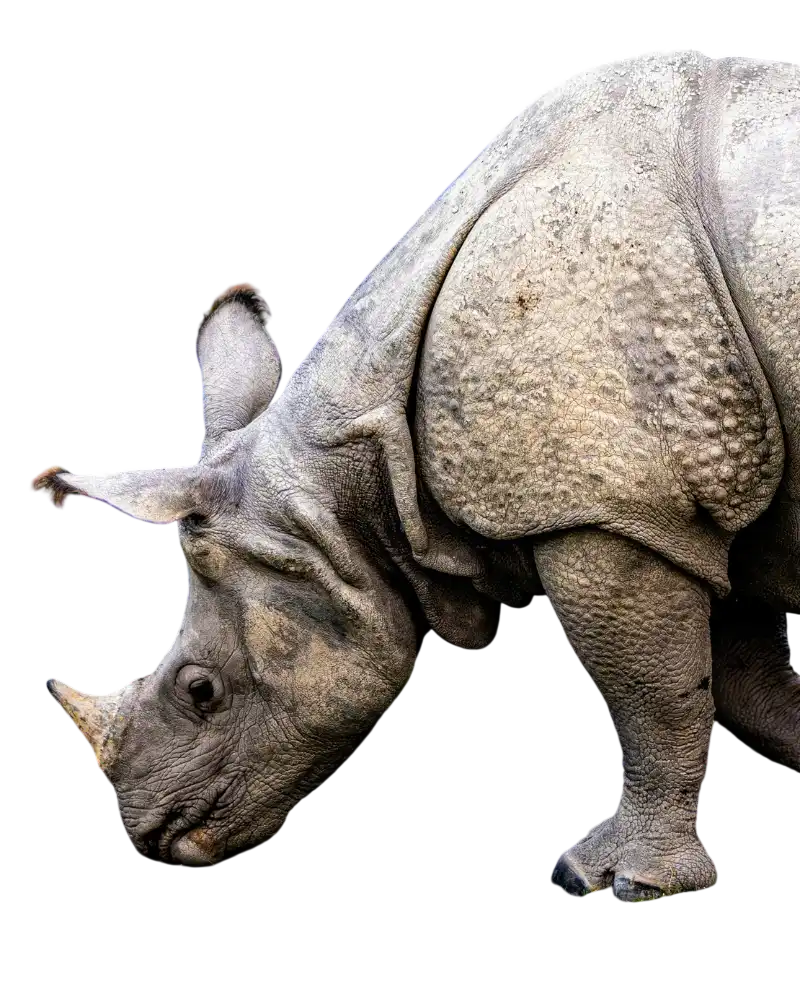
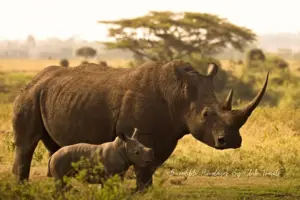
Kaziranga National Park protects over two-thirds of the world’s population of the endangered one-horned rhinoceros. Nowhere else on Earth offers such reliable and close sightings of this iconic species in its natural habitat.

Recognized globally for its outstanding natural value, Kaziranga’s UNESCO status reflects its successful conservation efforts, unique floodplain ecosystem, and exceptional biodiversity.

Kaziranga is renowned for its high concentration of wildlife, including tigers, elephants, wild buffalo, and swamp deer. The park’s vast grasslands and open terrain allow excellent visibility, making wildlife viewing especially rewarding.

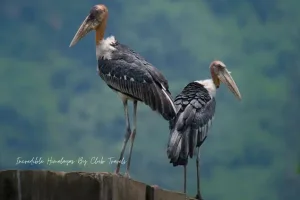
  • Home to over 500 bird species, Kaziranga’s wetlands and river channels attract migratory birds from Central Asia and beyond. Rare species like the Bengal Florican and Greater Adjutant Stork make it a top birding destination in India.

Far far away, behind the word mountains, far from the countries Vokalia and Consonantia, there live the blind texts. Separated they live in Bookmarksgrove right at the coast

Rhino

Flora of Kaziranga National Park

Kaziranga National Park supports a remarkably diverse range of plant life, shaped by its changing terrain and seasonal flooding of the Brahmaputra River. The park’s landscape is dominated by extensive alluvial grasslands, which merge into savanna woodlands, tropical moist deciduous forests, and patches of semi-evergreen forest. Towering elephant grass covers large stretches of the park, providing shelter and grazing grounds for herbivores. Tree species such as Kumbhi, Indian gooseberry, cotton tree, and elephant apple are commonly found across forested areas. In addition, the park’s numerous wetlands, lakes, and riverbanks support a rich variety of aquatic vegetation, vital for both wildlife and migratory birds.

Fauna of Kaziranga National Park

Kaziranga is globally celebrated for sheltering the largest population of the Indian one-horned rhinoceros. Its grasslands, marshes, and forest corridors also support an impressive range of mammals. Visitors may encounter Royal Bengal Tigers, Indian Elephants, Wild Water Buffalo, Swamp Deer, Sloth Bears, and Leopards, along with primates such as the Hoolock Gibbon. Due to its consistently rising tiger numbers, Kaziranga was officially declared a Tiger Reserve in 2006. The park is equally rich in birdlife, attracting numerous migratory birds from Central Asia during the winter months, making it a favored destination for birdwatchers and wildlife photographers.

Best Time to Visit Kaziranga National Park

Kaziranga National Park remains closed to visitors from May to October every year due to heavy monsoon rains and flooding from the Brahmaputra River. The ideal time to explore the park is from November to April, when weather conditions are pleasant and wildlife sightings are frequent. Summer (April – May): Warm and relatively dry weather prevails. Animals are often seen near water sources, offering good wildlife viewing opportunities before the park closes. Monsoon (June – September): The region experiences intense rainfall and high humidity. Flooding is common, and the park remains closed for visitor safety and wildlife conservation. Winter (November – February): This is the best season for safaris. Cooler temperatures, clear visibility, and reduced grass height increase the chances of spotting rhinos and other wildlife.

Safari Timings in Kaziranga National Park

To encourage responsible wildlife tourism, park authorities organize Jeep Safaris and Elephant Safaris across designated zones. Morning Jeep Safari: 08:00 AM – 10:00 AM Afternoon Jeep Safari: 02:00 PM – 04:00 PM Early morning safaris, especially elephant rides, are ideal for close encounters with grazing rhinos and other herbivores in the misty grasslands.

Wildlife Attractions of Kaziranga National Park

Kaziranga is celebrated not just for rhinos, but for its extraordinary diversity of wildlife.

One-Horned Rhinoceros
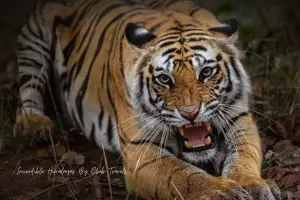
Royal Bengal Tiger
Royal Bengal Tiger
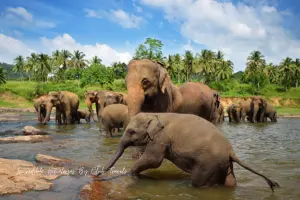
Asian Elephant
Asian Elephant
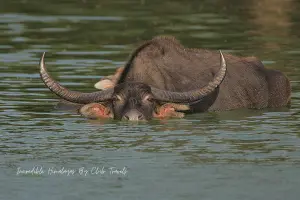
Wild Water Buffalo
Wild Water Buffalo
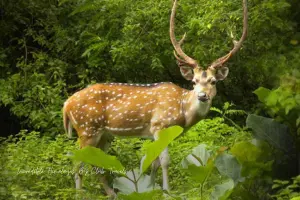
Swamp Deer
Swamp Deer
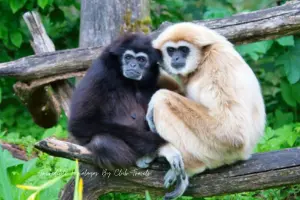
Hoolock Gibbon
Hoolock Gibbon

Birdlife & Biodiversity of Kaziranga National Park

Kaziranga is a paradise for birdwatchers, hosting over 500 species of resident and migratory birds. During winter, wetlands come alive with migratory birds from Central Asia and Siberia.

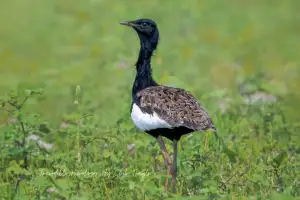
Bengal Florican
Bengal Florican
Greater Adjutant Stork
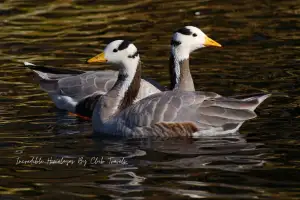
Bar-headed Goose

Bar-headed Goose
Ruddy Shelduck
Ruddy Shelduck
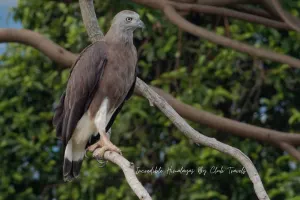
Grey-headed Fishing Eagle
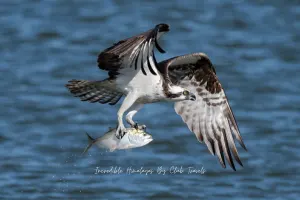
Osprey
Osprey

Himalayas Tour Packages