Menu

Himalayan Zoological Park

Explore Rare Himalayan Wildlife

Altitude: Approx. 1,800 – 2,200 meters above sea level

Climate: Min. 0°C (winter months) | Max. 25°C (summer months)

Best Time to Visit: March to June & September to November

Location: Situated in the Himalayan foothills, easily accessible from nearby hill towns in Himachal Pradesh

Wildlife Attractions: Snow Leopard, Red Panda, Himalayan Tahr, Himalayan Monal, Musk Deer, Blue Sheep, and other native Himalayan fauna

Himalayan Zoological Park  is certainly a place for wildlife lovers in Sikkim. The Park has been established, to preserve the wildlife, without disturbing the creatures and keeping them in their natural habitat. Located in Bulbuley, Himalayan Zoological Park is at a distance of 3 km from Gangtok. At an altitude of 1,780 mtrs, the Zoological Park also tenders a splendid view of Mt. Khangchendzonga. This Park sprawls in an area of 205 hectares in the mountainous terrain. The Park houses a variety of fauna species found in the Himalayas. Some of them are Himalayan Monal Pheasant, Himalayan Red Panda, Snow Leopard Cat, Goral, Himalayan Palm Civet, Himalayan Black Bear and Crimson-Horned Pheasant. Himalayan Zoological Park is the first Zoological park of Sikkim. The Park accomplishes the perception of modern zoo, where the animals are kept in replicated natural conditions. The best time to visit the area is during mid- February to May and Mid-September to December. The Park is maintained by the Forests, Environment & Wildlife Management Department, Government of Sikkim.

Conservation Breeding

The Padmaja Naidu Himalayan Zoological Park, Darjeeling, is deeply committed to the conservation of Himalayan wildlife. In 1983, the park initiated a captive breeding program for rare and endangered species, marking a significant milestone in wildlife preservation efforts. Due to its high-altitude location, suitable climate, and natural surroundings, the park was recognized as an ideal site for conservation breeding, contributing meaningfully to the protection and survival of threatened Himalayan fauna.

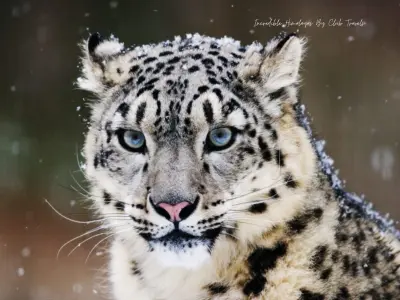
Snow Leopard
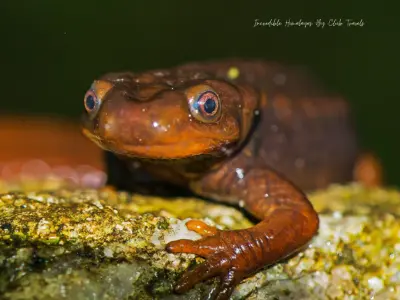
Himalayan Salamander
Red Panda
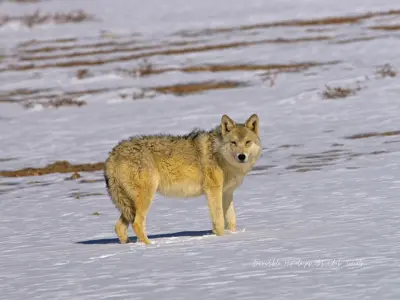
Himalayan Wolf
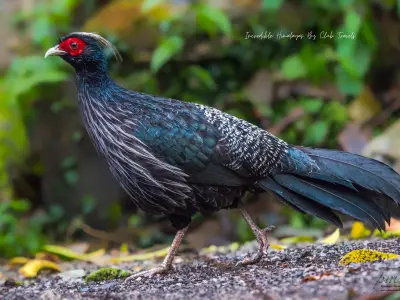
Kalij Pheasants
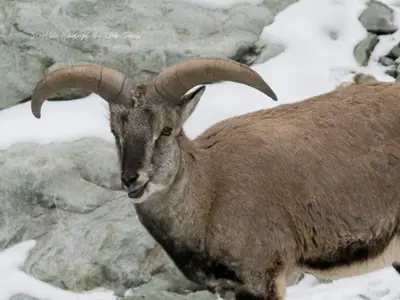
Blue Sheep
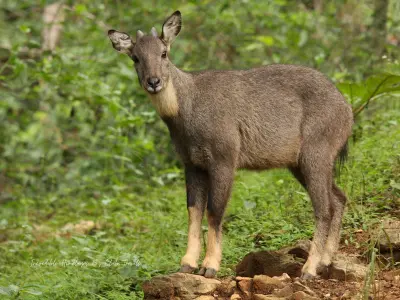
Himalayan Tahr
Himalayan Goral

Why Visit Himalayan Zoological Park?

Located at the gateway to the Himalayas, the Himalayan Zoological Park is a premier conservation and education center dedicated to preserving alpine wildlife. The park is designed to replicate natural ecosystems, ensuring that resident animals thrive in environments similar to their native habitats.

This zoological park is home to several rare and endangered species including the Snow Leopard, Himalayan Tahr, Red Panda, Himalayan Monal, and more. With well-maintained trails, informative signage, and experienced guides, the park makes wildlife exploration both educational and exciting for all ages.

Snow Leopard Habitat: Witness the elusive Snow Leopard, one of the most endangered big cats in the world. Designed with rugged terrain and rocky outcrops, this habitat closely mimics the snow leopard’s natural Himalayan environment.

Red Panda Enclosure : See the adorable Red Panda, known for its reddish-brown fur and tree-climbing skills. Watch them play and rest amidst bamboo and forest foliage.

Himalayan Tahr : The hardy Himalayan Tahr roams steep slopes and rocky paths. These sure-footed ungulates are a treat for visitors interested in mountain wildlife.

Birdwatching & Himalayan Monal : The park offers superb birdwatching opportunities, including views of the Himalayan Monal — the vibrant national bird of Nepal. Listen to the calls of various alpine birds as you explore the park.

Nature Trails & Viewpoints : Walk along well-marked trails through rhododendron forests and oak woodlands. Scenic viewpoints offer breathtaking vistas of snow-capped peaks and sprawling valleys, ideal for photography.

To protect wildlife and ensure a safe experience for all guests, please follow these rules:

  • Stay on marked trails

  • Maintain silence near animal enclosures

  • Do not feed animals

  • Dispose of waste responsibly

  • Avoid loud noises and flash photography

  • Bring binoculars for better wildlife viewing
  • Visit early in the morning or late afternoon for active animal sightings

  • Wear comfortable walking shoes and weather-appropriate clothing

  • Carry water and snacks for longer trail walks

Himalayas Tour Packages