Why Ladakh Should Be on Every Traveller’s Bucket List
Perched at an altitude of 3,500 to 5,000 metres (11,500 to 16,400 ft) above sea level, Ladakh is one of the world’s most breathtaking high-altitude destinations. Often called the “Land of High Passes”, this remote region in northern India sits at the crossroads of the Himalayan and Karakoram mountain ranges — a landscape sculpted by ancient glaciers, polished by wind, and painted in shades of ochre, blue, and white.
According to the Jammu & Kashmir Tourism Department, Ladakh attracted over 3.76 lakh tourists in 2025, including 36,000 foreigners — a number that continues to grow as travelers seek authentic, off-the-beaten-path experiences. Whether you’re a trekker, a motorcyclist, a Buddhist art enthusiast, or simply chasing one of the most dramatic landscapes on Earth, Ladakh delivers an experience unlike anywhere else.
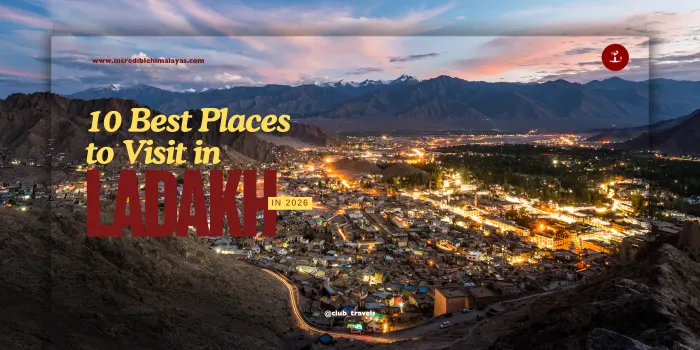
In this guide, we break down the 10 best places to visit in Ladakh in 2026, complete with practical travel tips, best times to visit each location, distances from Leh, and insider insights to help you plan a trip you’ll never forget.
| Quick Fact: Ladakh became a Union Territory of India in October 2019, separate from Jammu & Kashmir. Its total area is approximately 59,146 sq km — making it India’s largest district by area. |
Best Time to Visit Ladakh
Before diving into the top places, it’s crucial to understand when to go. Ladakh’s extreme climate means timing your trip correctly can make or break your experience.
| April – June | Best for road trips and outdoor activities. Roads to Pangong Tso and Nubra Valley open. Pleasant daytime temperatures (15–25°C in Leh). |
| July – September | Peak tourist season. Monsoon doesn’t affect Ladakh much. Zanskar Valley accessible. Best for trekking, including the Markha Valley trek. |
| October – November | Crowds thin out. Stunning golden landscapes. Closing window for mountain passes (Rohtang, Baralacha La). Temperature drops sharply at night. |
| December – March | Winter. Most roads closed. Chadar Trek (frozen Zanskar River) runs January–February for the adventurous. |
01. Pangong Tso Lake — The Crown Jewel of Ladak
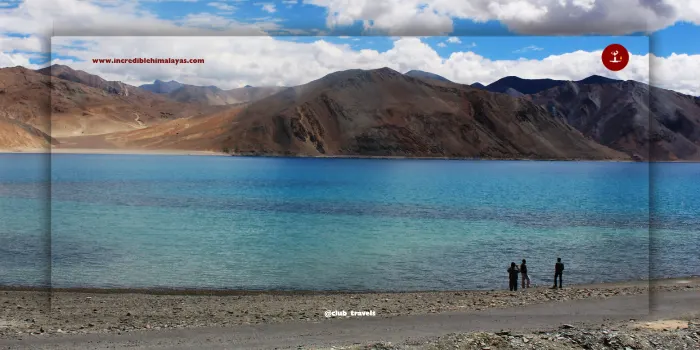
No list of best places to visit in Ladakh is complete without Pangong Tso. Stretching 134 kilometres from India into Tibet, this high-altitude lake sits at 4,350 metres (14,270 ft) and is one of the largest brackish lakes in Asia. Only about 45% of the lake lies within Indian territory — the rest crosses the Line of Actual Control (LAC) into China.
What makes Pangong Tso truly extraordinary is its chameleon-like colour changes. Depending on the angle of sunlight, the water shifts from deep sapphire to turquoise to emerald green — sometimes within minutes. The stark, barren mountains that frame the lake only amplify its surreal beauty.
Why It Went Viral
Pangong Tso gained global fame after featuring in the 2009 Bollywood blockbuster 3 Idiots. Since then, it has become one of the most Instagram med destinations in India, drawing travelers from across the world.
Key Travel Information
| Distance from Leh | ~160 km (4–5 hours via Chang La pass at 5,360 m) |
| Entry Permit | Inner Line Permit (ILP) required — available online or at DC Office, Leh |
| Best Time to Visit | May to September (lake freezes December to February) |
| Tip | Stay overnight at lakeside camps for the most magical sunrise views |
• Photography tip: Shoot during the golden hour (6–7 AM) when the mountains cast long shadows across the electric-blue water.
• Altitude acclimatisation: Spend at least 2 full days in Leh before attempting Pangong Tso.
• Mobile connectivity: Airtel and BSNL have limited coverage near the lake. Download offline maps before you go.
02. Nubra Valley — Where the Desert Meets the Mountains
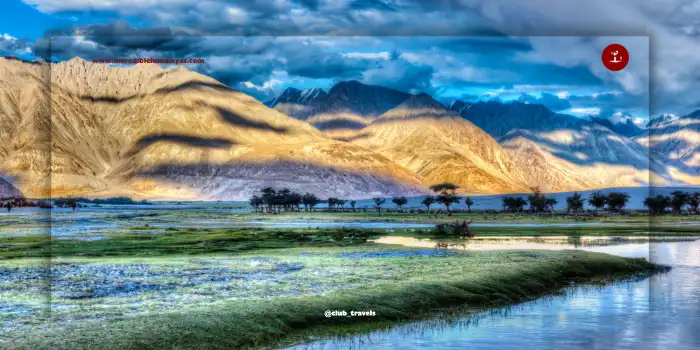
Nubra Valley is Ladakh’s most dramatically diverse landscape — an unlikely confluence of sand dunes, alpine meadows, ancient monasteries, and double-humped Bactrian camels set against a backdrop of snow-capped peaks. Located about 150 km north of Leh, Nubra is accessed via the famous Khardung La Pass — long promoted as one of the world’s highest motorable passes at approximately 5,359 metres (17,582 ft).
The valley is actually formed at the confluence of the Shyok and Nubra rivers. The two main villages — Diskit and Hunder — are the most visited, offering homestays, guesthouses, and the mesmerising experience of riding double-humped Bactrian camels across cold desert dunes.
Don’t Miss
• Diskit Monastery (Diskit Gompa): One of the oldest monasteries in Ladakh (founded in the 14th century), perched dramatically above the valley floor. Its 32-metre Maitreya Buddha statue is awe-inspiring.
• Bactrian Camel Safari at Hunder: The sand dunes of Hunder are home to a small population of double-humped camels — a relic of the ancient Silk Route trade.
• Turtuk Village: One of India’s northernmost inhabited villages, transferred from Pakistan in 1971. A culturally unique Balti community with apricot orchards and warm hospitality.
• Panamik Hot Springs: Natural geothermal springs with sulphur-rich water — a perfect soak after days of high-altitude travel.
| Local Knowledge: The Nubra Valley was historically part of the Silk Route. Many Ladakhi families trace their ancestry to traders who settled here centuries ago. |
03. Leh City — The Cultural Heart of Ladakh
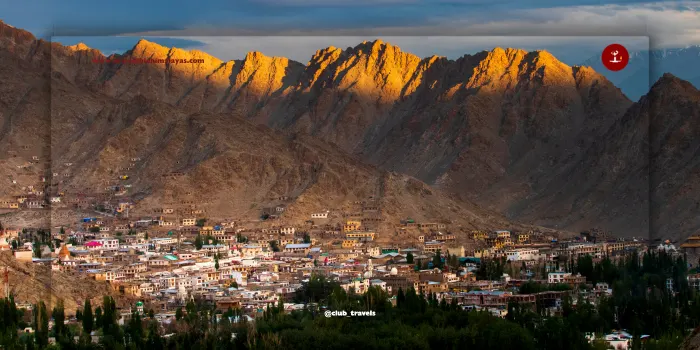
At 3,524 metres (11,562 ft) above sea level, Leh is the largest town and the administrative capital of the Ladakh Union Territory. It is most travellers’ entry point into the region — either via Leh-Kushok Bakula Rimpochhe Airport (one of the world’s highest commercial airports) or along the legendary Manali-Leh Highway or Srinagar-Leh Highway.
Leh is not just a transit hub — it’s a destination in itself. The city beautifully blends ancient Ladakhi, Tibetan, and Mughal influences, visible in its bazaars, architecture, and cuisine.
Must-Visit Attractions in Leh
• Leh Palace: A 17th-century nine-storey royal palace overlooking the city, built by King Sengge Namgyal. Modelled on the Potala Palace in Lhasa, Tibet.
• Shanti Stupa: A white-domed Buddhist stupa built in 1991 by Japanese Buddhist monk Nagazomi Myoho. Stunning panoramic views of Leh at sunset.
• Leh Main Bazaar: A vibrant market selling Pashmina shawls, turquoise jewellery, thangka paintings, and local handicrafts.
• Namgyal Tsemo Gompa: A 15th-century monastery perched atop a rocky ridge — the oldest gompa in Leh.
• Hall of Fame Museum: A moving tribute to Indian soldiers who served at high-altitude battlefields including the Siachen Glacier, managed by the Indian Army.
| Altitude | 3,524 metres (11,562 ft) |
| Airport | Kushok Bakula Rimpochhe Airport — daily flights from Delhi, Mumbai, Srinagar |
| Acclimatisation | Minimum 2 days recommended before trekking or high passes |
| Best Season | May to September for mild weather; December–February for snow lovers |
04. Zanskar Valley — Ladakh’s Most Remote and Spectacular Region
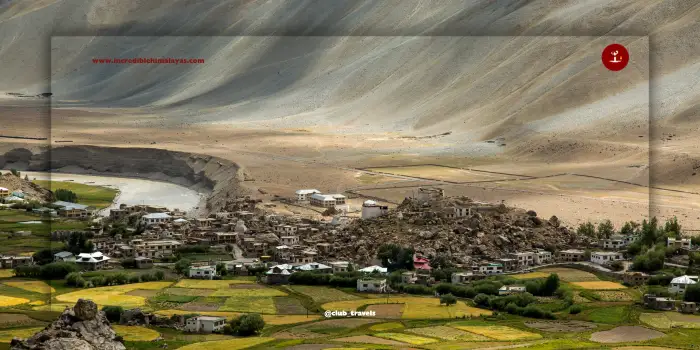
If Ladakh is India’s last frontier, Zanskar is the frontier within the frontier. Surrounded by towering peaks — many exceeding 6,000 metres — Zanskar Valley is one of the most isolated inhabited regions on Earth. The valley is accessible by road only during summer months through the Pensi La Pass (4,400 m) from Kargil, or via the legendary Darcha-Padum route from Manali.
In winter, when the Zanskar River freezes, locals travel along the iconic Chadar Trek — a 105-km frozen river walk from Chilling to Padum that has become one of India’s most extreme and bucket-list worthy adventures. The trek typically runs from late January to mid-February, when temperatures can plunge to -30°C.
Highlights of Zanskar Valley
• Padum: The administrative headquarters of Zanskar, home to a colourful market and several ancient monasteries.
• Phuktal Monastery: A cave monastery carved into a cliff face above the Tsarap River — one of the most dramatically situated gompas in Ladakh. Accessible only on foot.
• Rangdum Monastery: Set on a small hillock amid a vast plain, this 18th-century monastery is a stunning sight.
• Chadar Trek (January–February): Arguably India’s most thrilling winter trek — walking on the frozen Zanskar River through narrow gorges.
| Adventure Alert: The Chadar Trek is rated extremely challenging and requires proper gear, experienced guides, and prior trekking fitness. Night temperatures regularly drop below -25°C. |
05. Hemis Monastery — Ladakh’s Largest and Wealthiest Gompa
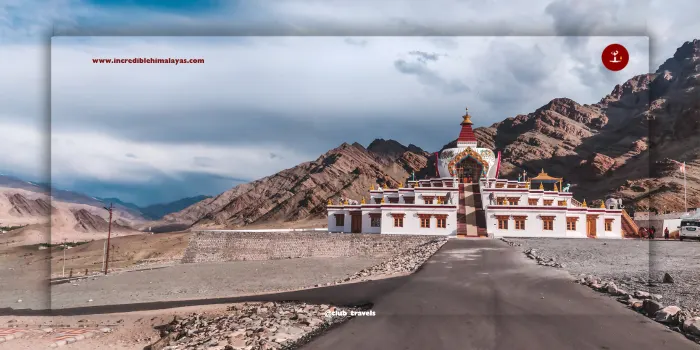
Founded in 1630 under the royal patronage of King Sengge Namgyal, Hemis Monastery is the largest and wealthiest monastery in Ladakh — and is said to be one of the wealthiest gompas in the entire Himalayan region. Located 45 km southeast of Leh in the Hemis National Park, the monastery belongs to the Drukpa Kagyu school of Tibetan Buddhism.
The monastery is most famous for the Hemis Festival — held annually in June or July on the 10th day of the Tibetan lunar month (Tse-Chu). The festival celebrates the birth anniversary of Guru Padmasambhava with vibrant Cham mask dances, elaborate thangkas, and sacred rituals. Every 12 years, a gigantic thangka (scroll painting) of Padmasambhava is displayed publicly — a deeply revered event attracting thousands of pilgrims.
What to See at Hemis
• Main Assembly Hall (Dukhang): Houses remarkable murals, ancient thangkas, and a large golden statue of the Future Buddha (Maitreya).
• Hemis Museum: One of the finest collections of Buddhist artefacts in India — including copper statuettes, ancient jewellery, and rare manuscripts.
• Hemis National Park: The monastery is within India’s only high-altitude national park, home to the endangered Snow Leopard. The park hosts the Snow Leopard Conservancy’s eco-tourism programs.
| Distance from Leh | ~45 km (1 hour) |
| Monastery Timings | 8:00 AM to 1:00 PM and 2:00 PM to 6:00 PM |
| Entry Fee | ₹100 for Indian tourists; ₹200 for foreign tourists |
| Hemis Festival 2025 | Late June / Early July (exact dates per Tibetan calendar) |
06. Magnetic Hill — Ladakh’s Baffling Natural Phenomenon
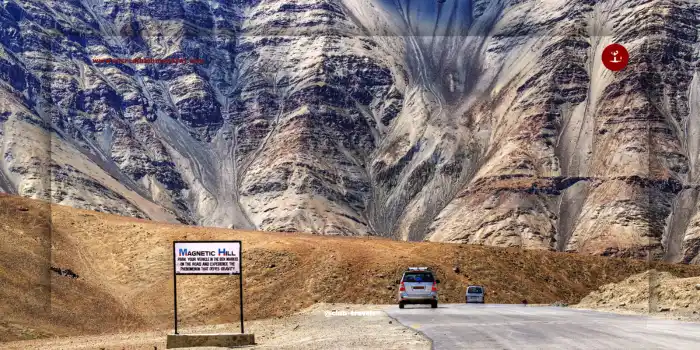
Approximately 30 km from Leh on the Srinagar-Leh Highway, Magnetic Hill is one of Ladakh’s most talked-about natural curiosities. According to local legend and popular belief, vehicles placed in neutral on the sloping road appear to defy gravity and move uphill on their own — allegedly pulled by a powerful magnetic field.
The scientific explanation? It’s a gravity hill — an optical illusion created by the surrounding landscape, which gives the impression that the slope runs uphill when it actually runs downhill. Regardless of the explanation, the experience is genuinely disorienting and memorable. India’s Border Roads Organisation (BRO) has even placed a signboard near the site calling it the ‘Magnetic Hill.’
Nearby, the confluence of the Indus and Zanskar rivers at Nimmu is another spectacular sight — where the blue-green waters of the Zanskar meet the murkier Indus in a dramatic visual divide.
07. Tso Moriri Lake — The Pristine High-Altitude Wetland
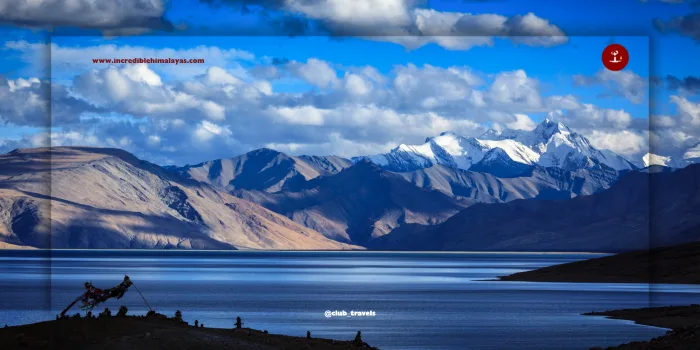
If Pangong Tso is Ladakh’s most famous lake, Tso Moriri is arguably its most pristine and untouched. Located in the Changthang Plateau at an altitude of 4,522 metres (14,836 ft), Tso Moriri is a UNESCO-recognised Ramsar Wetland of International Importance. It stretches approximately 28 km in length and 5 km in width, making it the largest high-altitude lake entirely within India.
Unlike Pangong Tso, Tso Moriri remains relatively uncrowded — even at peak season — giving it an ethereal, end-of-the-world quality. The lake is home to rare wildlife including the Black-necked Crane, Bar-headed Goose, Ruddy Shelduck, and the elusive Tibetan Wild Ass (Kiang). The nomadic Changpa people — renowned breeders of the Pashmina-producing Changthangi goat — inhabit the surrounding plateau.
Planning Your Visit
• Permits: Inner Line Permit required — available online or from the Leh DC Office.
• Accommodation: Basic guesthouses and camps in Korzok village on the lake shore. Book in advance during July–August.
• Combine with: Tso Kar Lake (a stark white salt lake) en route from Leh for a dramatic two-lake circuit.
• Distance from Leh: ~230 km (6–7 hours via Mahe Bridge and Debring).
08. Alchi Monastery — Ladakh’s Oldest and Most Unique Gompa
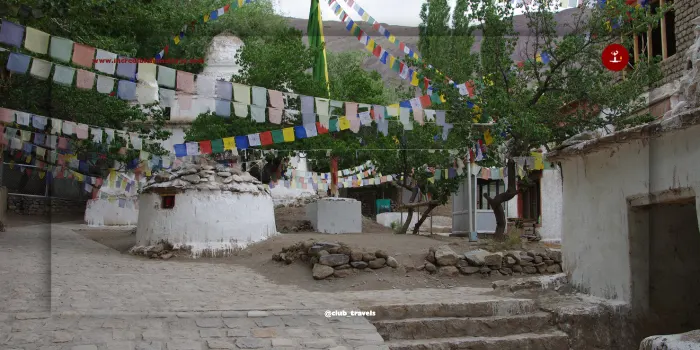
Hidden in a green oasis on the banks of the Indus River, about 70 km west of Leh, Alchi Monastery (Alchi Choskor) is Ladakh’s oldest intact monastery and one of the most significant Buddhist art sites in the Himalayan region. Unlike most Ladakhi monasteries which are perched dramatically on cliffs, Alchi sits at a modest 3,100 metres on the valley floor — which helped preserve it from military conflicts that destroyed other sites.
Founded in the 11th century by the great translator Rinchen Zangpo, Alchi’s temples contain a unique style of Kashmiri-influenced Buddhist painting found nowhere else in the world. The intricate murals blend Indian, Central Asian, and Tibetan artistic traditions in a way that art historians consider priceless.
Key Temples at Alchi
• Dukhang (Assembly Hall): The oldest structure, adorned with extraordinary mandalas and 1,000-Buddha images painted in delicate ochre and blue pigments.
• Sumtsek Temple: Houses three giant two-storey figures of Maitreya, Avalokitesvara, and Manjushri — the robes of each figure are painted with intricate miniature scenes of palace life.
• Lotsawa Lhakhang: Contains rare images of the translator Rinchen Zangpo and his patron, King Yeshe-Od.
| Art History Note: Art scholars from around the world visit Alchi to study its 11th–12th century murals, which provide invaluable insight into the lost traditions of Kashmiri Buddhist painting. The Archaeological Survey of India oversees its conservation. |
09. Khardung La Pass — The Gateway to the Roof of the World
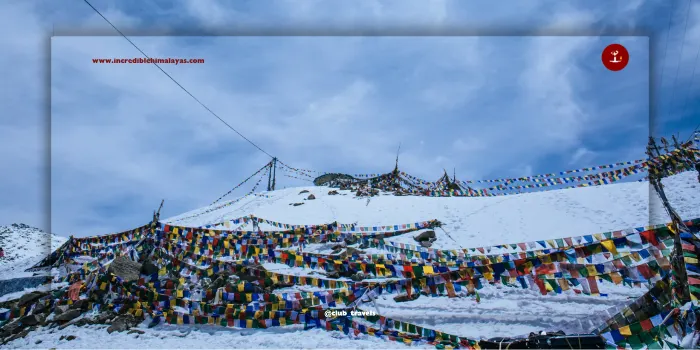
For decades, Khardung La (KhardungLa) was officially promoted as the “World’s Highest Motorable Pass” at a claimed 5,602 metres (18,379 ft). While updated survey data places the actual road elevation closer to 5,359 metres (17,582 ft), Khardung La remains one of the highest paved roads on Earth and is a non-negotiable milestone for motorcyclists and road-trippers visiting Ladakh.
The pass sits on the Ladakh Range and serves as the northern gateway to the Shyok and Nubra valleys. The journey from Leh takes about 1.5–2 hours each way and involves switchbacks, sheer drops, and awe-inspiring views of the Zanskar Range and the Ladakh Range stretching to infinity.
Essentials for Khardung La
• Best time: June to October (road closed in winter due to heavy snowfall).
• Altitude sickness: Even acclimatised visitors may feel breathless at the top. Don’t stay more than 20–30 minutes.
• Facilities: A small café and an army post at the summit. Refreshments available.
• Motorcyclists: Khardung La is part of the famous Manali-Leh-Srinagar motorcycle circuit. Royal Enfield rentals widely available in Leh.
• Permits: No separate permit needed for Indian nationals. Foreign nationals require Inner Line Permit.
10. Kargil — The Gateway to Zanskar and a Living History Lesson
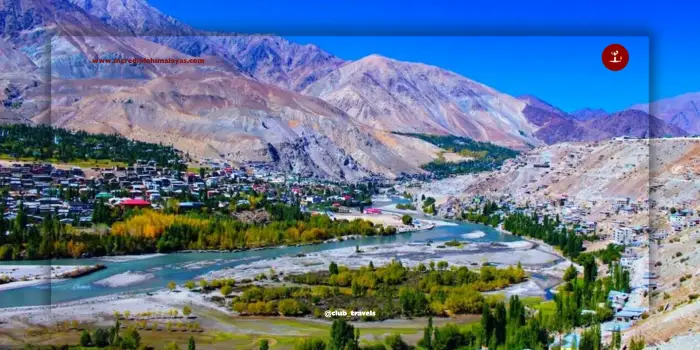
The second-largest town in Ladakh after Leh, Kargil sits at 2,676 metres (8,780 ft) on the banks of the Suru River. Most travellers know Kargil as the site of the 1999 Kargil War — the high-altitude military conflict between India and Pakistan fought in the surrounding mountains. But beyond its wartime legacy, Kargil is a culturally rich, culturally diverse predominantly Shia Muslim town with a unique blend of Ladakhi, Baltistan, and Persian influence.
Kargil is the starting point for expeditions to the Zanskar Valley and serves as an important midpoint on the scenic Srinagar-Leh Highway (NH1). The surrounding Suru Valley offers spectacular views of the Nun-Kun massif — the highest peaks in the Ladakh region at 7,135 metres and 7,077 metres respectively.
What to See Around Kargil
• Kargil War Memorial at Drass: Located 60 km from Kargil, the Drass War Memorial pays tribute to the Indian soldiers who died in the 1999 conflict. Drass is also known as one of the coldest inhabited places on Earth (temperatures can fall to -45°C in winter).
• Suru Valley: A lush green valley on the road to Zanskar, with dramatic views of the Nun and Kun peaks, glaciers, and traditional Ladakhi villages.
• Mulbekh Monastery and Rock Carving: An 8-metre rock carving of Maitreya Buddha — possibly dating to the 8th century — is one of the oldest Buddhist monuments in Ladakh.
• Rangdum Monastery: En route to Zanskar, surrounded by a dramatic moonscape of eroded ridges.
Essential Ladakh Travel Tips for 2025
Getting There
• By Air: Leh Airport (IXL) has daily flights from Delhi (1.5 hrs), Mumbai (2.5 hrs), and Srinagar. Book early as seats fill quickly in peak season.
• By Road — Manali-Leh Highway: Open June to October (480 km, 2 days via Keylong/Jispa). One of the world’s most spectacular mountain roads.
• By Road — Srinagar-Leh Highway: Open May to November (434 km, 1–2 days). Generally less dramatic but more frequently maintained.
Permits Required
• Inner Line Permit (ILP): Required for areas like Pangong Tso, Nubra Valley, Tso Moriri, Dah-Hanu, Turtuk. Apply online at the Ladakh e-ILP portal or at the DC Office in Leh.
• Protected Area Permit (PAP): Required for some border areas. Foreign nationals need additional permits for certain zones.
Health & Altitude Safety
• Acute Mountain Sickness (AMS): Common above 3,500 m. Symptoms include headache, nausea, fatigue, and dizziness. Acclimatise for at least 2 full days in Leh before ascending higher.
• Diamox (Acetazolamide): Often recommended by doctors as a preventive measure. Consult your physician before travel.
• Hydration: Drink at least 3–4 litres of water per day. Avoid alcohol for the first 48 hours.
• Travel Insurance: Ensure your policy covers high-altitude emergency evacuation.
Money & Connectivity
• ATMs: Available in Leh. Very limited in remote areas. Carry sufficient cash.
• Mobile Networks: Airtel and BSNL have patchy coverage. Most remote valleys have no signal at all.
• Internet: Limited WiFi in Leh hotels. Download offline maps (Google Maps or Maps.me) before heading out.
• Credit Cards: Accepted in larger hotels and some shops in Leh. Not accepted elsewhere.
Conclusion: Start Planning Your Ladakh Adventure Today
Ladakh is more than a travel destination — it’s a transformative experience. From the surreal turquoise expanse of Pangong Tso to the frozen silence of the Chadar Trek, from the millennia-old murals of Alchi to the adrenaline rush of Khardung La, every corner of this high-altitude wonderland offers something genuinely extraordinary.
The 10 best places to visit in Ladakh outlined in this guide cover the full spectrum of what this remarkable Union Territory offers — but they’re really just the beginning. Ladakh rewards slow travellers who pause long enough to notice the wind sculpting sand dunes, to share butter tea with a Changpa nomad, or to watch prayer flags flutter against an impossibly blue sky.
Whether you’re planning your first visit to Ladakh in 2025 or returning for the tenth time, we hope this guide helps you travel smarter, go deeper, and experience Ladakh’s magic more fully.
| Ready to Explore? Start your Ladakh journey by checking the official Ladakh Tourism website for updated permit requirements, road conditions, and festival calendars before you book your trip. |
Did you find this guide helpful?
Drop a comment below with your favourite place in Ladakh — or share your own travel tips with fellow explorers!
Share this article • Pin it on Pinterest • Save it for later
Frequently Asked Questions (FAQ’s)
Yes. Ladakh is considered one of the safest regions in India for international travelers.
* Crime rates are extremely low.
* Locals are welcoming and respectful.
* Solo female travelers frequently visit safely.
However, due to its remote Himalayan location, medical facilities are limited outside Leh. Travel insurance covering high-altitude travel is
strongly recommended.
The best time to visit Ladakh is May to September when roads from Manali and Srinagar are open and the weather is pleasant (10°C to 25°C during the day).
Winter (November—March) is extremely cold, with temperatures dropping below —20°C, and is suitable mainly for adventure travelers doing the Chadar Trek.
Indian and foreign travelers need an Inner Line Permit (ILP) for restricted areas like:
Nubra Valley
Pangong Lake
Tso Moriri
Permits can be obtained online or through a registered travel agent in Leh.
Bike trips via Khardung La
River rafting in Zanskar
Camel safari in Nubra Valley
Trekking (Markha Valley, Chadar Trek)
Camping near Pangong Lake
Ladakh is one of the best destinations in India for adventure tourism.
Mobile connectivity is limited.
Internet speed is slow in remote areas like Pangong and Tso Moriri.
Postpaid SIM cards work better than prepaid.
BSNL, Airtel, and Jio have coverage in Leh.
Yes. Since Ladakh is part of India, international travelers must apply for an Indian Tourist Visa before arrival.
Most nationalities can apply online for an e-Tourist Visa (eTV) through the official Indian government portal. Always check your country-specific requirements in advance.
Final Advice for International Travelers
Ladakh is not a typical holiday destination — it’s a high-altitude Himalayan expedition blended with Buddhist culture and dramatic landscapes.
With proper planning, permits, and acclimatization, your Ladakh journey can be one of the most unforgettable travel experiences in Asia.
If you’re traveling from abroad and need assistance with permits, itinerary planning, or private tours, working with a professional Ladakh travel specialist ensures a smooth and safe experience.
Mail Us: clubtravels@gmail.com